Medically reviewed by Dr. Samuel Davidoff, MD, Board-Certified Gastroenterologist & Hepatologist | 15+ Years Experience | Last Updated: March 2026
Diseases an Upper Endoscopy Can Detect
✓ GERD & Reflux Esophagitis
✓ Barrett’s Esophagus
✓ H. Pylori Infection & Gastritis
✓ Peptic Ulcers
✓ Celiac Disease
✓ Esophageal Strictures & Hiatal Hernia
✓ Esophageal & Stomach Cancer
✓ Esophageal Varices
An upper endoscopy can detect a wide range of digestive diseases including GERD, gastritis, stomach ulcers, H. pylori infection, Barrett’s esophagus, celiac disease, esophageal strictures, hiatal hernia, and cancers of the esophagus or stomach. This procedure gives your gastroenterologist a direct view of the upper digestive tract, making it one of the most accurate tools for diagnosing conditions that affect the esophagus, stomach, and upper small intestine.
If you have been told you need an endoscopy, or you are experiencing symptoms like persistent heartburn, difficulty swallowing, or upper abdominal pain, understanding what this test can find may help you feel more prepared. Below, we explain the diseases and conditions an upper endoscopy can diagnose and what to expect from the procedure.
Diseases and Conditions Diagnosed by Upper Endoscopy
An upper endoscopy, also called an EGD (esophagogastroduodenoscopy), allows doctors to examine the lining of your esophagus, stomach, and duodenum (the first part of the small intestine).
Gastroesophageal Reflux Disease (GERD)
GERD occurs when stomach acid repeatedly flows back into the esophagus, causing inflammation and damage to the esophageal lining. An endoscopy can reveal erosion, redness, and irritation caused by chronic acid exposure. This is called reflux esophagitis.
Barrett’s Esophagus
Long standing GERD can lead to Barrett’s esophagus, a condition where the normal cells lining the esophagus change into abnormal cells. Barrett’s esophagus increases the risk of esophageal cancer. An endoscopy with biopsy is the only way to diagnose this condition.
H. Pylori Infection and Gastritis
Gastritis is inflammation of the stomach lining. H. pylori, a type of bacteria, is a common cause of gastritis and peptic ulcers. During an endoscopy, the doctor can see signs of inflammation and take biopsies to test for H. pylori.
“The most common conditions diagnosed in our practice are H. pylori gastritis, ulcers, reflux esophagitis, and Barrett’s esophagus.”
• Dr. Samuel Davidoff, MD, Board-Certified Gastroenterologist
Peptic Ulcers
Peptic ulcers are open sores that develop on the lining of the stomach or duodenum. They often result from H. pylori infection or long term use of NSAIDs. An endoscopy allows the doctor to see the ulcer directly and determine its size and severity.
Celiac Disease
Celiac disease is an autoimmune condition triggered by eating gluten. It damages the lining of the small intestine and interferes with nutrient absorption. An endoscopy with biopsies of the duodenum is essential for confirming a celiac diagnosis.
Why Biopsies Matter
“During an upper endoscopy we always take biopsies as with a lot of upper GI conditions we need to know what is happening on a microscopic basis. Conditions like H. pylori infection, gastritis, and celiac disease cannot be fully diagnosed just by looking at the lining of the stomach or small intestine.”, Dr. Davidoff
Esophageal Strictures
An esophageal stricture is a narrowing of the esophagus that makes swallowing difficult. Strictures can develop from chronic GERD, scarring, or tumors. An endoscopy can identify the location and cause of the narrowing, and in some cases, the doctor can treat the stricture during the same procedure.
Hiatal Hernia
A hiatal hernia occurs when part of the stomach pushes up through the diaphragm into the chest cavity. This can contribute to acid reflux symptoms. An endoscopy can detect the presence and size of a hiatal hernia.
Esophageal and Stomach Cancer
An endoscopy is a critical tool for detecting cancers of the esophagus and stomach. The doctor can identify suspicious masses, ulcerations, or abnormal tissue and take biopsies for further evaluation. Early detection through endoscopy can significantly improve treatment outcomes.
Esophageal Varices
Esophageal varices are enlarged veins in the esophagus, often caused by liver disease. These veins can rupture and cause life threatening bleeding. An endoscopy can detect varices and assess their severity.
Symptoms That May Lead Your Doctor to Recommend an Endoscopy
Common Reasons for an Endoscopy
Heartburn that does not respond to antacids or acid reducing medications
Persistent upper abdominal pain, especially if worse after meals
Vomiting blood
Pitch black stools (signifying upper GI bleeding)
Difficulty swallowing or feeling like food is stuck
Long standing reflux (to evaluate for Barrett’s esophagus)
Unexplained anemia or weight loss
“We typically do this test when a patient has heartburn that does not respond to various types of antacids, or when the patient has had long standing reflux to evaluate for Barrett’s esophagus,” explains Dr. Davidoff. “Other reasons to recommend an endoscopy are when the patient has difficulty swallowing, upper abdominal pain to evaluate for an ulcer, or to evaluate for bleeding that may come from the upper GI tract.”
What Happens During an Upper Endoscopy
Understanding what to expect can help reduce anxiety about the procedure. An upper endoscopy is performed under sedation, so you will not feel pain or discomfort. The procedure typically takes about 15 to 20 minutes.
Preparation Instructions
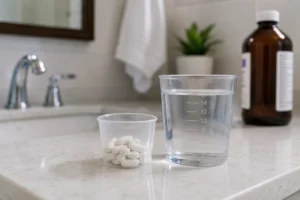
“The day before the procedure you can eat and drink like you normally do until 10 PM. After 10 PM no more eating or drinking. On the day of the procedure, no eating or drinking either.”, Dr. Davidoff. See our full endoscopy prep guide for details.
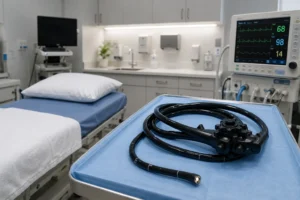
When you arrive, you will change into a gown and an IV will be placed for sedation. Once you are asleep, the gastroenterologist inserts a thin, flexible tube with a camera through your mouth and gently guides it through the esophagus, stomach, and duodenum. If abnormalities are seen, biopsies can be taken during the procedure. You will not feel the biopsies being taken.
After the procedure, you will rest briefly while the sedation wears off. Most patients are ready to go home within 30 minutes.
How Accurate Is an Endoscopy for Diagnosing Diseases?
An upper endoscopy is considered the gold standard for diagnosing conditions of the esophagus, stomach, and duodenum. Unlike imaging tests such as X rays or CT scans, an endoscopy provides direct visualization of the digestive tract lining. The combination of visual examination and biopsy capability makes endoscopy highly accurate for diagnosing GERD, gastritis, ulcers, Barrett’s esophagus, celiac disease, and cancer.
The practice at Gastroenterology and Nutrition, P.C. uses state of the art equipment in an AAAASF certified facility. “Our gastroenterologists, anesthesiologists, and medical assistants have a tremendous amount of experience in doing colonoscopies as well as endoscopies,” says Dr. Davidoff. “Patient safety and comfort are our top priority.”
What Happens If the Endoscopy Finds Something Abnormal?
“As soon as the patient wakes up after the procedure, the doctor discusses the visual results with the patient and the patient receives a copy of the report,” explains Dr. Davidoff. “It takes another week or so to get the results of the biopsies.”
Depending on what is found, your treatment plan may include medications such as proton pump inhibitors for GERD or antibiotics for H. pylori, dietary changes for celiac disease or GERD management, follow up endoscopies to monitor conditions like Barrett’s esophagus, additional procedures to treat strictures or remove abnormal tissue, or referral to an oncologist if cancer is detected.
At Gastroenterology and Nutrition, P.C., the team takes a patient centered approach, focusing on finding root causes and creating personalized treatment plans.
Upper Endoscopy Services at Gastroenterology and Nutrition, P.C.
At Gastroenterology and Nutrition, P.C. in Forest Hills, Queens, Dr. Samuel Davidoff, MD, and Dr. Yuriy Israel, MD, perform upper endoscopies on site in a modern, AAAASF certified facility. With over 10,000 procedures performed, patients receive care from experienced specialists who prioritize safety, comfort, and accurate diagnosis.
The office is conveniently located at 108-16 72nd Ave in Forest Hills, with easy access by public transportation and nearby parking. Appointments are available Monday through Friday and Sunday mornings. The practice accepts most major insurance plans, including Medicare.
Need an Upper Endoscopy?
Schedule a consultation with our board-certified gastroenterologists in Forest Hills, Queens.
Frequently Asked Questions
Is an endoscopy the same as a colonoscopy?
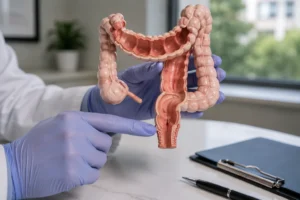
No. An upper endoscopy examines the esophagus, stomach, and upper small intestine. A colonoscopy examines the large intestine (colon) and rectum. Both are performed under sedation using a flexible scope with a camera, but they examine different parts of the digestive tract.
How do I prepare for an endoscopy?
Preparation is simple. You can eat and drink normally until 10 PM the night before. After 10 PM, do not eat or drink anything. On the day of the procedure, continue fasting. Arrive about 15 minutes early. See our endoscopy prep page for full details.
Is an endoscopy painful?
No. The procedure is done under sedation, so you will be asleep and will not feel pain or discomfort. Most patients do not remember the procedure at all.
How long does it take to get endoscopy results?
Your doctor will discuss the visual findings with you immediately after you wake up. If biopsies were taken, those results typically take about one week.
Can an endoscopy detect cancer?
Yes. An upper endoscopy can detect cancers of the esophagus and stomach by identifying suspicious masses, ulcerations, or abnormal tissue. Biopsies can be taken during the procedure for laboratory analysis to confirm or rule out cancer.
Medical Disclaimer: This article is for informational purposes only and is not a substitute for professional medical advice, diagnosis, or treatment. Always consult with a board-certified gastroenterologist to determine the appropriate diagnostic procedures for your individual symptoms.