Procedure Length
About 15 to 20 minutes
Full visit roughly 1 hour with IV and recovery
Endoscopy & Prep · Forest Hills, Queens
A colonoscopy is a screening procedure that allows a gastroenterologist to examine the inside of your colon using a thin, flexible camera, detecting and removing polyps before they can develop into colorectal cancer. At Gastroenterology & Nutrition P.C. in Forest Hills, Queens, Dr. Samuel Davidoff, MD, a board-certified gastroenterologist and hepatologist with over 15 years of experience, performs colonoscopies in our AAAASF-accredited on-site endoscopy suite. From prep to recovery, our team is with you every step of the way.
(718) 261-0900Medically reviewed by Dr. Samuel Davidoff, MD, Board-Certified Gastroenterologist & Hepatologist | 18+ Years Experience | Last Updated: April 2026
Our Forest Hills Colonoscopy Procedure at a Glance
Here's what patients should know before booking a colonoscopy with us.
Procedure Length
About 15 to 20 minutes
Full visit roughly 1 hour with IV and recovery
Sedation
Propofol, deep sleep
You feel nothing and the gag reflex is suppressed
Bowel Prep Options
Liquid prep OR Sutab pill form
Your choice based on what you tolerate best
NPO Before Procedure
No food or drink 8 to 10 hours before
Stop GLP-1 medications (Ozempic, Mounjaro) 1 week prior
Screening Age
45 for average risk
Age 40, or 10 years before a relative's diagnosis, if family history
Scheduling
Same-week consultation
Sunday endoscopies and colonoscopies offered
Facility
AAAASF-accredited endoscopy suite
Forest Hills, Queens, patient safety and comfort top priority
Lead Provider
Dr. Samuel Davidoff, MD
Board-Certified Gastroenterologist and Hepatologist, 18+ years, Founder
AAAASF-Accredited Endoscopy Suite | Forest Hills, Queens
✓ Board-Certified Gastroenterologists ✓ 10,000+ Procedures Performed ✓ Same-Day & Sunday Appointments ✓ Most Major Insurance Accepted
Why It Matters
A colonoscopy is a procedure in which a gastroenterologist uses a flexible camera (colonoscope) to examine the inside of your large intestine (colon). This allows us to detect and remove polyps, identify inflammation or tumors, and catch early signs of colorectal cancer.
Why does that matter? Early detection saves lives. Colon cancer usually starts as small polyps; if we find them early during a colonoscopy, we can remove them on the spot, preventing them from turning into cancer. The American Cancer Society now recommends starting routine colonoscopy screenings at age 45 (earlier if you have risk factors like family history). In fact, colonoscopy can reduce the risk of colon cancer by detecting precancerous growths before they cause problems. It's a safe, routine outpatient procedure and it can be truly life-saving.
We emphasize this to encourage our patients not to put off their colonoscopy. After all, a one-day prep and exam every 10 years is a small investment in your long-term health and peace of mind.
Your safety is our top priority. Colonoscopies are performed under sedation in our AAAASF-accredited endoscopy suite, with an anesthesiology professional monitoring you throughout the procedure. We proudly serve patients from Forest Hills, Rego Park, Kew Gardens, Elmhurst, Jackson Heights, and all of Queens.
Timing
Use the situations below to gauge timing. Always confirm with your gastroenterologist.
At age 45. Multiple professional society guidelines recommend routine screening colonoscopy starting at 45 for average-risk adults.
Schedule your screeningAt age 40, OR 10 years before your relative was diagnosed, whichever comes first. Less common high-risk criteria should be discussed with your gastroenterologist.
Discuss your family history with usNo. Rectal bleeding, unexplained weight loss, or new-onset constipation or diarrhea are red flags for a diagnostic colonoscopy now, regardless of age.
Call us at (718) 261-0900Typically 10 years if you are average-risk and no polyps were found. Your gastroenterologist sets the exact interval based on your individual history.
Usually 3 to 5 years, depending on polyp type, size, and count. Your gastroenterologist sets the interval based on pathology results from your last procedure.
We walk every patient through the prep and procedure step by step. Propofol sedation means you feel nothing, and our AAAASF-accredited suite focuses on safety and comfort.
Book a pre-procedure consultationThis guidance is for general education and does not replace evaluation by a board-certified gastroenterologist. Recommendations vary by individual history, symptoms, and risk factors. Call (718) 261-0900 to discuss your specific situation.
Why Patients Choose Us
Choosing a provider for your colonoscopy is important. Here's why patients in Forest Hills and across Queens trust us:
Our colonoscopies are performed by Dr. Samuel Davidoff and our team of board-certified gastroenterologists. We have decades of combined experience and have successfully performed thousands of procedures, yet we treat every patient with individualized care and attention. You're never just a number to us.
Your comfort and safety are our top priorities. We use modern sedation techniques (administered by anesthesiology professionals) so you'll be comfortably asleep during the exam and won't feel any pain. Nervous about the idea of a colonoscopy?
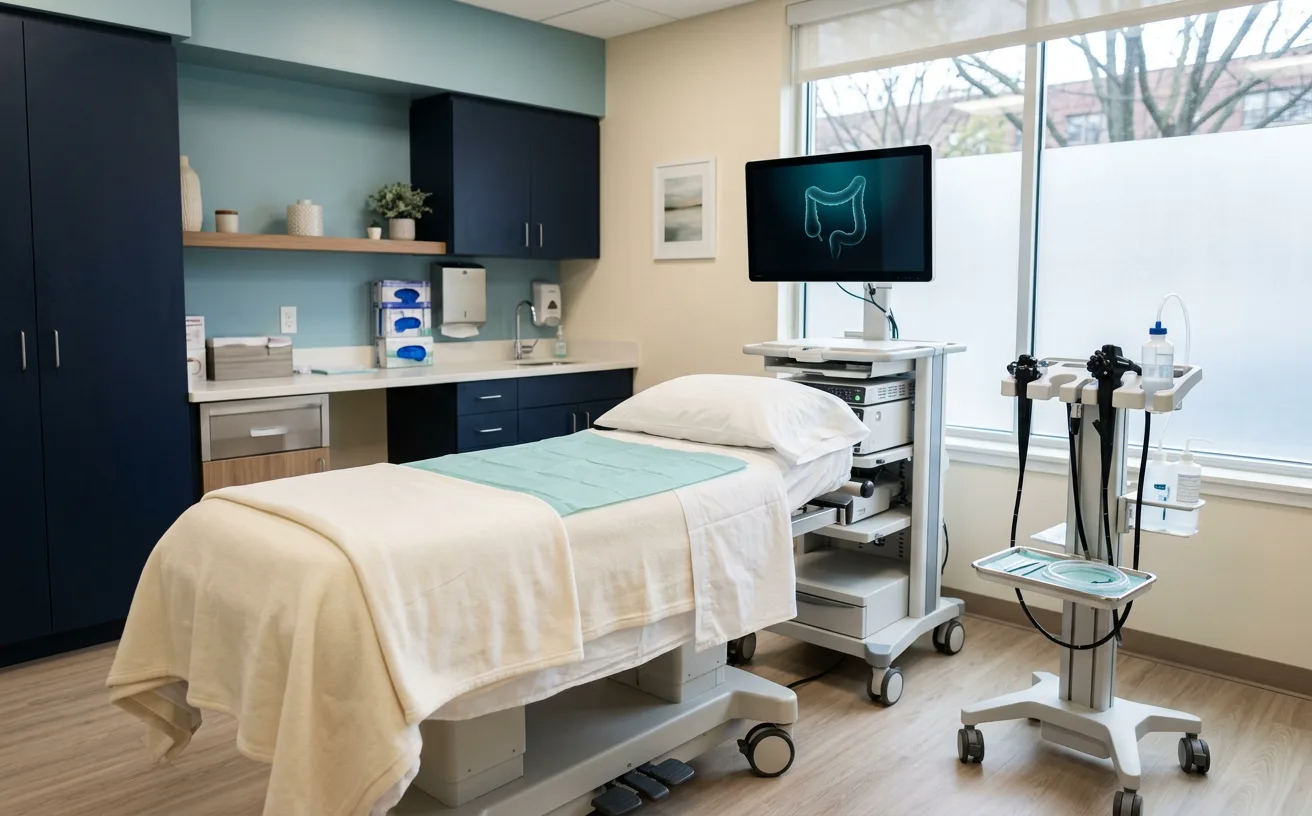
Our office features an AAAASF-accredited on-site endoscopy suite. This means you can have your colonoscopy right in our Forest Hills office, conveniently located for patients from Rego Park, Kew Gardens, Elmhurst, Jackson Heights, and across Queens, which meets the highest safety standards (the same as a hospital). Our equipment is modern, and we even use high-definition scopes and the latest polyp detection techniques to make sure nothing is missed.
Being a private practice, we offer prompt scheduling including early morning appointments on weekdays and even Sunday morning slots to fit your busy life. Unlike a big hospital or clinic, you'll consult directly with your GI doctor before and after the colonoscopy. We'll personally call you with results and next steps. Patients from Rego Park, Kew Gardens, Elmhurst, Jackson Heights, and throughout Queens choose us for this personalized experience. Continuity of care is a hallmark of our practice.
As our name suggests, we look at the whole picture of gastroenterology and nutrition. If your colonoscopy reveals any issues (like ulcerative colitis or polyps), we'll not only treat them but also counsel you on diet and preventive care going forward. Our aim is to keep your digestive system healthy for the long run, not just perform a one-time test.
Patient Reviews
See what our patients are saying about us
[Reviews feed placeholder — the live site loads a third-party Google review widget; no individual reviews are included in the supplied content. Flagged for client.]
Read moreThe Procedure
A colonoscopy is generally performed as an outpatient procedure. The patient is positioned on the left side and a sedative is administered intravenously.
Day-Of Walkthrough
Many patients are surprised how quick and simple the actual colonoscopy is compared to the prep. Here's an overview of what will happen on the day of your colonoscopy at our Forest Hills endoscopy suite
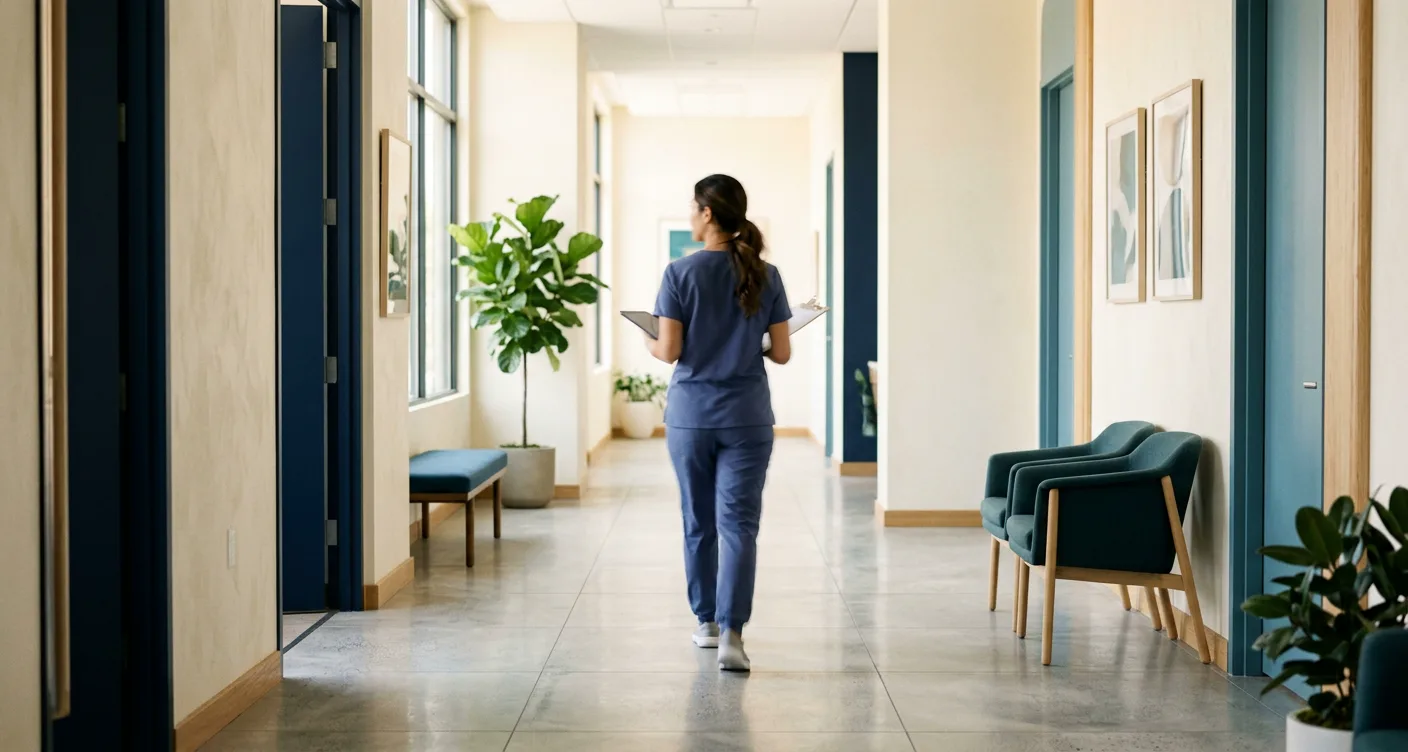
After check-in, you'll meet with our nursing team to review your medical history and allergies. You'll sign a consent form (if you haven't already) and change into a gown. We'll start an IV line, through which you'll receive fluids and later, sedative medication. You'll also meet your anesthesiologist or nurse anesthetist, who'll be monitoring you. In the procedure room, we'll have you lie on your left side on a comfortable stretcher. We attach small monitors for your blood pressure, heart rate, and oxygen. Safety is always paramount. Then we administer the sedation medication through the IV, which will make you drift off to sleep within a minute or two.
Once you're sedated, the gastroenterologist will gently insert the lubricated colonoscope into the rectum and slowly advance it through the colon. The scope is a thin, flexible tube with a tiny camera and light at the end. As we carefully navigate through your colon's curves, we may put a small amount of air (or carbon dioxide) inside to inflate the colon slightly. This gives us a better view of the colon walls. Don't worry, you won't feel this due to sedation (at most, some patients have mild cramping or pressure that they don't recall later). The camera sends high-definition video to a screen, allowing us to examine every segment of your colon. If we spot any polyps or abnormal tissue, we use miniature instruments passed through the scope to remove them or take biopsies. Polyp removal (polypectomy) is painless and done during the same session. Polyps are cut off using a wire loop or burned off safely, and the tissue is collected for lab analysis. The procedure usually takes about 20 to 30 minutes (it can be a bit longer if multiple polyps are found and removed, or shorter if everything looks normal). Throughout the exam, your vital signs are monitored continuously. Our team will adjust your position gently if needed (sometimes we reposition you to help the scope pass a tricky angle).
When the colonoscopy is finished, the scope is slowly withdrawn and the exam is complete. We escort you to a recovery area, where you'll rest as the sedative wears off. Most patients wake up within 5 to 10 minutes after the procedure ends, but can be groggy for about half an hour. You might not even realize the colonoscopy happened. Many people say, “Are we done already?” because the sedation has an amnesia effect. We like to see a smile on your face when you hear it's all done! In the recovery area, you may feel bloating or cramping; this is normal and simply due to the air introduced into the colon. We encourage you to pass gas, yes, farting is expected! to help relieve the bloating. Nurses will monitor your blood pressure and make sure you're feeling okay. We'll also offer you something to drink as you wake up (your throat and mouth might be dry). Once you're fully awake and our doctor has spoken with you about initial findings, you'll be discharged to go home with your companion. From check-in to check-out, expect to spend around 2 to 3 hours at our facility.
If polyps are found during your colonoscopy, Dr. Davidoff can typically remove them during the same procedure, a technique called polypectomy. Most polyps are removed painlessly in seconds using a small snare or forceps passed through the scope. Removed tissue is sent for pathology review, and results are shared with you at your follow-up. Catching and removing polyps before they develop into colon cancer is the core reason screening colonoscopy saves lives.
After the Procedure
Recovering from a colonoscopy is usually quick. There's no incision (everything is internal), so physical recovery mainly involves shaking off the sedation effects. Here's what to do and expect after you leave
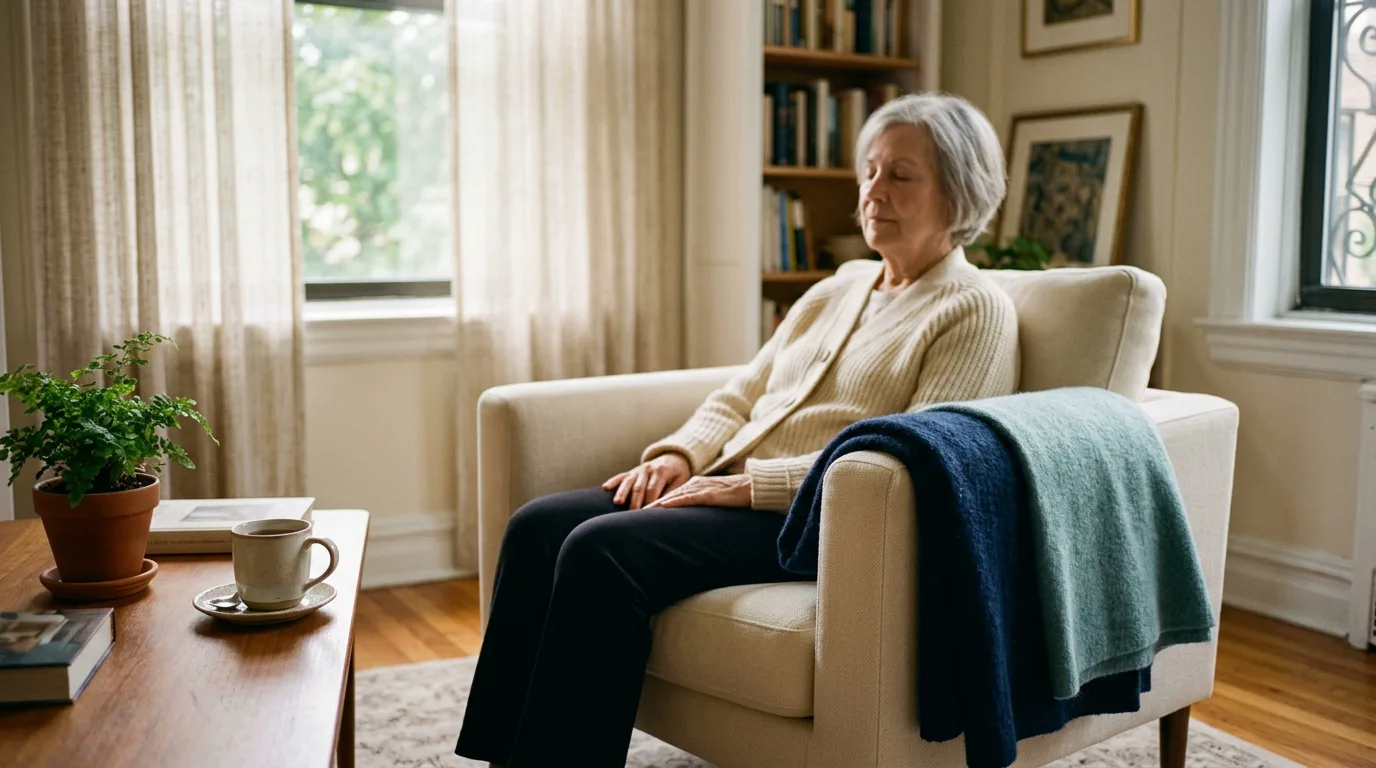
You must not drive or return to work the same day because of the sedation. Go home and rest. Plan to take the remainder of the day off. Most people feel back to normal by the next morning. You might feel a bit drowsy or unsteady on your feet for a few hours, this is normal. Take it easy and let your body relax. Have a light meal when you feel up to it; start with something gentle on the stomach. You've been on clear liquids, so you may be hungry but it's wise to avoid a heavy, greasy meal as your first meal post-colonoscopy. Resume your normal diet as tolerated.
It's common to experience bloating or gas cramps for a few hours due to any remaining air in the colon. This should resolve by the evening. You might also notice a small amount of blood in your first bowel movement post-colonoscopy if a biopsy or polyp removal was done. A few drops on the toilet paper or a slight tinge in the stool is okay. However, call us if you have heavy rectal bleeding (more than a few tablespoons), severe abdominal pain, fever, or dizziness. These symptoms are very rare (<0.5% of cases) but we want to hear from you immediately if they occur. Our staff will provide you with a simple info sheet listing these signs to watch for, though significant complications are rare. Overall, colonoscopy is considered a very safe procedure.
Before you go home, Dr. Davidoff (or your GI doctor) will let you know how things looked internally. We will tell you if we found polyps and whether we removed them, or if everything looked healthy. We send any removed polyps or biopsy samples to a pathology lab, those results take about 5-7 days to come back. We will call you with your pathology results as soon as they're available, and of course, we'll explain what they mean and if any follow-up is needed. If everything is normal and you have no risk factors, the standard interval for the next colonoscopy is 10 years. If we removed polyps or found something that needs sooner surveillance, we'll let you know the appropriate follow-up interval (e.g., 3 or 5 years).
Most patients are fully back to routine by the next day. That means you can return to work, exercise, and normal activities within 24 hours. The sedative medications are mostly out of your system after a good night's sleep. We do advise no alcohol, driving, or signing important documents for at least 24 hours post-procedure, since sedation can linger in subtle ways. Otherwise, focus on rehydrating (drink plenty of fluids to make up for the day before) and eating healthy meals. If we gave you specific post-care instructions (for example, if a large polyp was removed, sometimes we suggest avoiding aspirin/NSAIDs for a day or two), be sure to follow those. We're always here to answer questions even after the procedure, don't hesitate to call our office if you're unsure about anything during your recovery.
FAQ
We understand you may have concerns about your procedure. Here are answers to questions our Forest Hills patients frequently ask.
Ready When You Are
Taking care of your health is the best gift you can give yourself. If you've been putting off a colonoscopy, or if your doctor recommended you get one, don't wait, early detection is key. Our friendly staff at Gastroenterology & Nutrition P.C. is ready to answer any remaining questions you have and to find an appointment time that works for you. We'll guide you through each step, from prep instructions to recovery tips, so you feel supported throughout the process. When you schedule with us, we'll send you a detailed prep instruction packet and be available to address any concerns during the lead-up to your appointment. Our goal is to make the entire experience from the first phone call to the follow-up after the procedure as smooth and patient-friendly as possible. Your digestive health is our priority. By choosing us for your colonoscopy in Queens, you're partnering with a team that is committed to your well-being every step of the way. Call 718-261-0900 today and take the next step toward a healthier future with a gastroenterology practice in Forest Hills. We look forward to caring for you!
Book Your Visit
Complete the form below, and our team at 108-16 72nd Ave, Forest Hills will contact you within one business day to confirm your appointment with Dr. Davidoff.
Medical Disclaimer: The colonoscopy preparation information on this page is for general guidance only and does not replace the individualized instructions provided by your physician. Prep protocols may vary based on your health history and the specific procedure ordered. Always follow the instructions given directly by your doctor or our clinical staff. Questions? Call us at (718) 261-0900.
En Español
Revisado médicamente por Dr. Samuel Davidoff, MD, Gastroenterólogo y Hepatólogo Certificado | 18+ Años de Experiencia | Última actualización: Abril 2026
Atendemos a pacientes hispanohablantes en nuestra oficina de Forest Hills, Queens. A continuación encontrará respuestas a las preguntas más comunes sobre la endoscopia y la colonoscopia. Para más información o para programar una cita, llame al (718) 261-0900.
Aviso médico: Esta información es solo con fines educativos y no sustituye el consejo, diagnóstico o tratamiento médico profesional. Por favor, programe una consulta con nuestro equipo para discutir sus necesidades individuales.