Colonoscopy
Screening and diagnostic colonoscopy with prep guidance and recovery walkthrough.
Read MoreOur Procedures
All procedures are performed in our AAAASF-accredited endoscopy suite in Forest Hills, Queens.
Advanced diagnostic and therapeutic procedures using state-of-the-art equipment
Schedule Consultation Check Insurance Medically reviewed by Dr. Samuel Davidoff, MD, Board-Certified Gastroenterologist & Hepatologist | 18+ Years Experience | Last Updated: April 2026
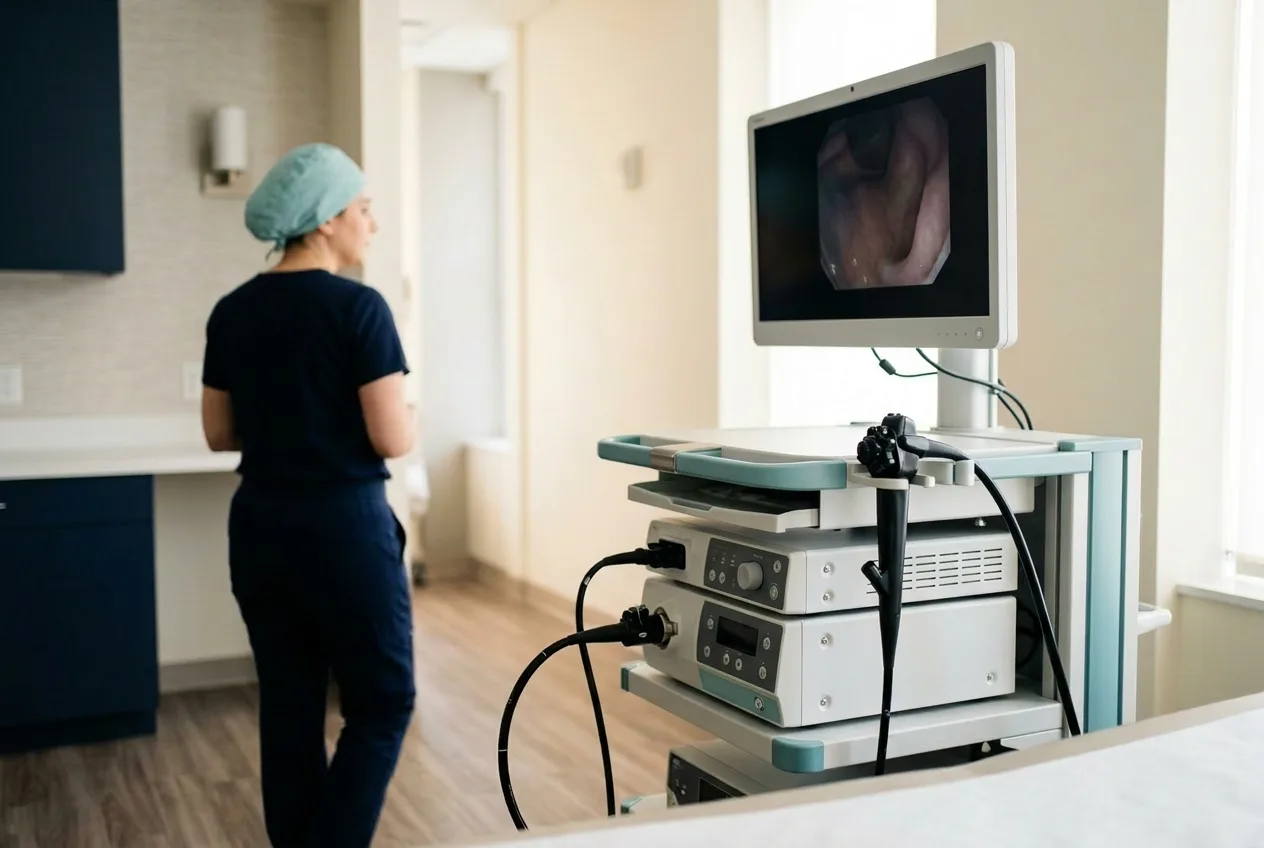
Endoscopy is a non-surgical procedure used to examine a person's digestive tract. Using an endoscope, a flexible tube with a light and camera attached to it, doctors can view pictures of your digestive tract on a color TV monitor.
During an upper endoscopy, the endoscope is passed through the mouth and throat and into the esophagus, allowing the doctor to view the esophagus, stomach, and upper part of the small intestine.
Patient Comfort This procedure is performed with sedation, making it comfortable for patients. Most people have little to no recollection of the procedure itself.
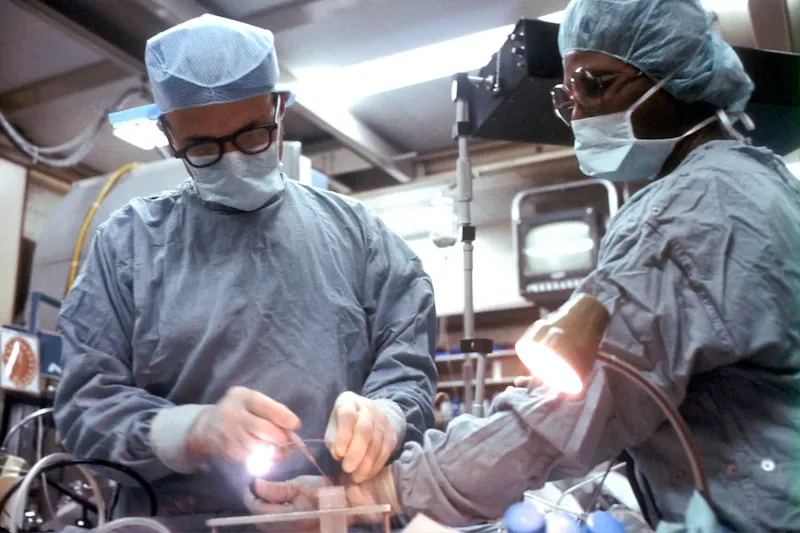
If your gastroenterologist has recommended both an upper endoscopy (also called EGD or gastroscopy) and a colonoscopy, you can often have both procedures performed during the same visit. This is a routine option in gastroenterology and one our team performs frequently at our AAAASF-accredited Forest Hills office.
One sedation, not two. The same IV sedation is used for both procedures. You’re not signing up for double the sedation risk or double the recovery time. Sedation recovery typically adds 30 to 60 minutes to your visit regardless of whether you have one procedure or two.
One prep day. Colonoscopy prep is the hardest part of the experience. Doing both procedures in one visit means you only do prep once.
One day off work. Most patients need to take a day off for a colonoscopy because of sedation. Combining means you don’t need a second day off later for the upper endoscopy.
Faster diagnosis. If you have symptoms that could come from either the upper or lower digestive tract (unexplained anemia, unexplained weight loss, chronic pain, GI bleeding), combining lets your gastroenterologist evaluate both areas in one session and reach a diagnosis sooner.
Simpler insurance and billing. Combined procedures are generally billed more efficiently than two separate appointments, though specific coverage depends on your plan. Our front desk verifies benefits before your visit.
Your gastroenterologist may recommend combining if you have:
The decision to combine is always made by your gastroenterologist based on your symptoms, your history, and clinical guidelines from organizations like the American Society for Gastrointestinal Endoscopy (ASGE).
The procedures themselves are quick:
Plan for about 2 to 3 hours total at the office, including check-in, sedation prep, the procedures, and recovery. You’ll need a ride home because of the sedation. Most patients are back to normal activities the next day.
The colonoscopy prep is the same whether you’re having a colonoscopy alone or a combined procedure. Upper endoscopy adds one requirement: you’ll need to fast from solids and most liquids for a longer window before the procedure (usually 8 hours for solids, 2 hours for clear liquids, but follow your specific instructions).
If you’re scheduled for a combined procedure, our team will give you a single set of instructions that covers both. You don’t need to follow two separate prep protocols.
We perform combined upper endoscopy and colonoscopy procedures at our AAAASF-accredited Forest Hills endoscopy suite. The same board-certified gastroenterologist performs both procedures during the same session. Our team includes:
To schedule a combined procedure, call our office at (718) 261-0900. Mention that you may need both an upper endoscopy and a colonoscopy when you call so we can plan the appointment time and confirm your insurance covers both procedures.
Upper Endoscopy Upper endoscopy lets your doctor examine the lining of the upper part of your gastrointestinal tract, which includes the esophagus, stomach and duodenum (first portion of the small intestine). Your doctor will use a thin, flexible tube called an endoscope, which has a light and camera at the end. This procedure helps diagnose and sometimes treat conditions that affect the upper part of your digestive system.
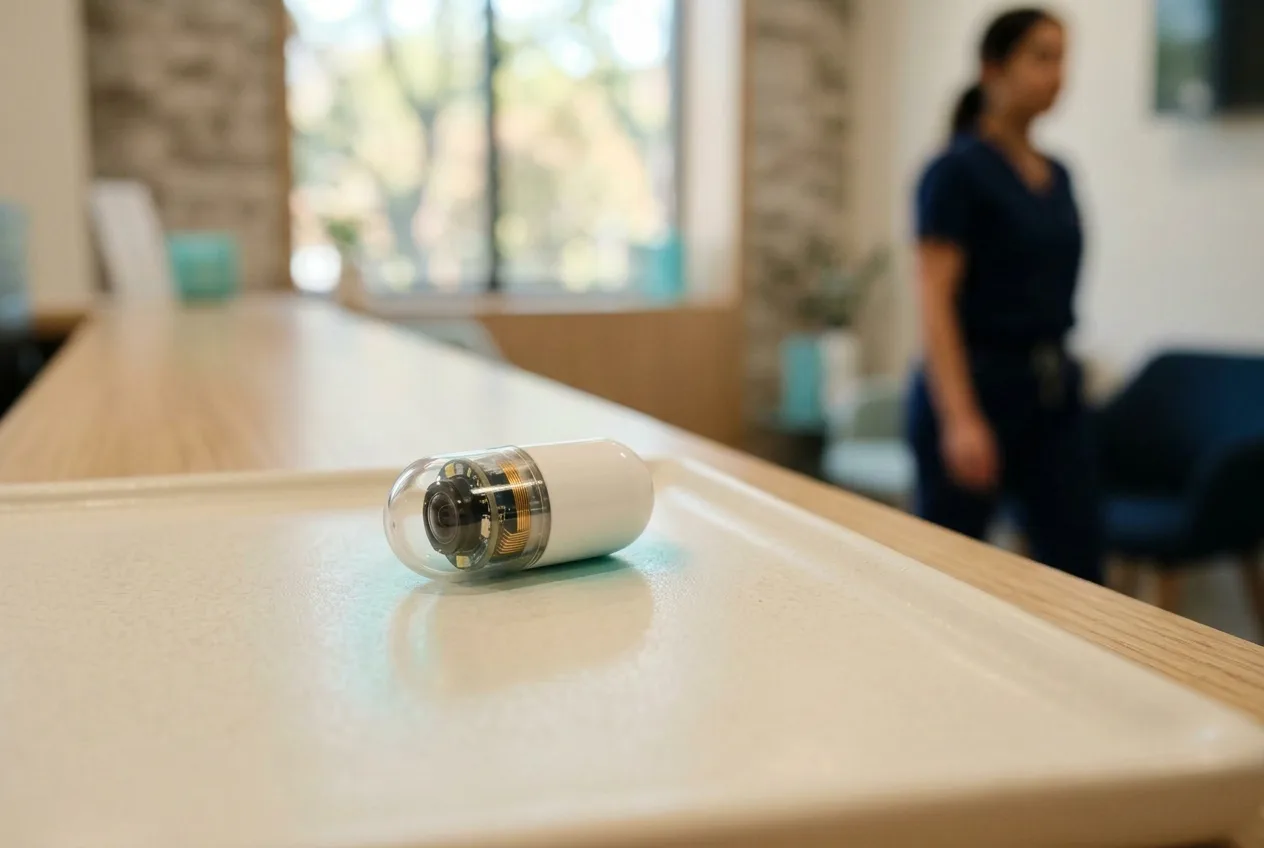
Capsule Endoscopy Capsule endoscopy helps doctors examine the small intestine, which cannot be reached using traditional endoscopy procedures. You swallow a small capsule containing a tiny camera, which takes thousands of pictures as it passes through your digestive tract. This innovative procedure allows for visualization of the entire small intestine, helping diagnose conditions like Crohn's disease, celiac disease, and small intestinal tumors.
Colonoscopy Colonoscopy allows your doctor to look at the inner lining of your large intestine (rectum and colon). A thin, flexible tube called a colonoscope is used to look at the colon. This procedure is commonly used to screen for colon cancer and to find and remove polyps that could potentially become cancerous if left untreated. It's also used to investigate unexplained changes in bowel habits, abdominal pain, rectal bleeding, and weight loss.
We're committed to providing exceptional care with a focus on patient comfort and satisfaction.
Board-Certified Specialists Our procedures are performed by experienced, board-certified gastroenterologists who specialize in endoscopic techniques.
We use gentle sedation techniques to ensure your procedure is as comfortable as possible.
Convenient Location Our Forest Hills location offers easy access for patients throughout Queens and the surrounding areas.
State-of-the-Art Facility Our AAAASF-certified facility is equipped with the latest endoscopic technology for precise diagnostics and treatment.
Comprehensive Care From preparation instructions to thorough follow-up, we provide complete support throughout your care journey.
Our friendly staff is available to answer your questions and help you schedule your endoscopic procedure.
Schedule Consultation Call 718-261-0900 Common Questions About Upper Endoscopy We understand you may have concerns about your procedure. Here are answers to questions our Forest Hills patients frequently ask.
No ans is Found
No ans is Found
No ans is Found
No ans is Found
No ans is Found
View All FAQs Common Questions About Upper Endoscopy We understand you may have concerns about your procedure. Here are answers to questions our Forest Hills patients frequently ask.
Q:
A:
An upper endoscopy can be performed for a number of reasons. Primarily, if you’re having abdominal pain, especially in the epigastric area, which is right below your rib cage, we can see if you have an ulcer, gastritis, or any inflammation. If you have chronic heartburn, which can lead to changes in the lining of your esophagus, an upper endoscopy allows us to see what’s going on there. There are many other reasons to perform an endoscopy: difficulty swallowing, chronic reflux, abdominal pain, bleeding, vomiting blood, or having black stools. We need to ensure there’s no bleeding ulcers or cancer. An upper endoscopy is a very useful tool to figure out what is going on in your upper GI tract, especially your esophagus, stomach, or the first part of your small intestine.
Q:
A:
It can detect anything from Barrett’s esophagus, esophageal rings, various infections of the esophagus, gastritis, stomach ulcers, stomach cancer, stomach polyps, and duodenal issues. It can also detect celiac disease, Crohn’s disease, and other inflammatory or autoimmune processes that affect the stomach or small intestine.
Q:
A:
The procedure itself takes anywhere between five to seven minutes. However, the entire process may take about an hour to an hour and a half, including putting in the IV, performing the procedure, and the recovery period after anesthesia.
Q:
A:
No, it is not. You’re asleep during the whole procedure, so you do not feel any pain or discomfort.
Q:
A:
Yes, you are fully clothed. We do not ask you to disrobe or take off any clothing. You come in your street clothes, we perform the procedure, and then you go home.
Q:
A:
Yes, you can. We put a Bite Block in your mouth, which keeps your mouth open and protects your teeth. You can breathe through your nose or mouth, whichever is comfortable.
Q:
A:
99% of the time, you won’t gag because we use an anesthetic called propofol, which puts you in a deep sleep and suppresses the gag reflex. In places where they use conscious sedation instead of propofol, you may gag, but when we use propofol, you will not.
Q:
A:
The preparation is very simple. You cannot eat or drink anything for at least 8 to 10 hours before the procedure.
Q:
A:
No, you cannot drink anything for at least 8 to 10 hours before the procedure.
Q:
A:
Absolutely. We encourage good oral hygiene before the procedure.
Q:
A:
With the recent advent of drugs like Manjaro and Ozempic, which slow down digestion, it may take more than eight hours to empty your stomach. We recommend stopping these medications at least one week before the procedure.
Q:
A:
Immediately after the procedure, you may feel a little groggy, but once the anesthesia wears off after 15-20 minutes, you will feel like your normal self.
Q:
A:
No, it is not normal to vomit. It’s a very benign procedure, and you should not have any gag reflex once you wake up.
Q:
A:
As soon as you wake up and feel up to it, you can eat whatever you want. The only recommendation is to avoid alcohol for 24 hours after the procedure.
Q:
A:
The recovery time is about 20 minutes to half an hour to recover from anesthesia. After that, you’re good to go.
Q:
A:
Yes, we perform our procedures in our office in Forest Hills.
Revisado médicamente por Dr. Samuel Davidoff, MD, Gastroenterólogo y Hepatólogo Certificado | 18+ Años de Experiencia | Última actualización: Abril 2026
Atendemos a pacientes hispanohablantes en nuestra oficina de Forest Hills, Queens. A continuación encontrará respuestas a las preguntas más comunes sobre la endoscopia y la colonoscopia. Para más información o para programar una cita, llame al (718) 261-0900.
¿Se puede hacer una endoscopia y una colonoscopia al mismo tiempo?
Sí. Cuando es médicamente apropiado, nuestros gastroenterólogos pueden realizar una endoscopia superior (también llamada gastroscopia o EGD) y una colonoscopia durante la misma visita, usando una sola sedación. Combinar las dos pruebas significa una sola preparación, una sola sedación, y un solo día de recuperación. Su gastroenterólogo decidirá si combinar ambos procedimientos es lo correcto para usted según sus síntomas y antecedentes médicos.
¿Cuánto dura una endoscopia y colonoscopia juntas?
El procedimiento en sí dura aproximadamente entre 30 y 45 minutos en total (la endoscopia superior toma de 5 a 15 minutos y la colonoscopia toma de 20 a 30 minutos). Planee pasar entre 2 y 3 horas en nuestra oficina, incluyendo el registro, la preparación con sedación, los procedimientos, y la recuperación. Necesitará que alguien lo lleve a casa después debido a la sedación. La mayoría de los pacientes regresa a sus actividades normales al día siguiente.
¿Necesito hacer dos preparaciones diferentes para la endoscopia y la colonoscopia combinadas?
No. Usted hará la misma preparación de colonoscopia que haría si solo se realizara una colonoscopia, más un período de ayuno más largo para la endoscopia superior. Nuestro equipo le dará un solo conjunto de instrucciones que cubre ambos procedimientos. No necesita seguir dos protocolos de preparación separados.
¿Se pueden tratar las hemorroides durante una colonoscopia?
Sí. Para la mayoría de las hemorroides internas, podemos realizar tratamientos como la ligadura con banda elástica, la coagulación infrarroja, o la escleroterapia durante su colonoscopia, sin necesidad de una sedación adicional ni una cita aparte. Las hemorroides externas y las hemorroides internas severas (Grado IV) generalmente requieren una evaluación separada. Mencione sus síntomas de hemorroides cuando llame para programar su colonoscopia para que podamos planificar la cita en consecuencia.
¿Qué seguro médico aceptan?
Aceptamos la mayoría de los planes de seguro comerciales, Medicare, y la mayoría de los planes Medicare Advantage. Nuestro personal de recepción verifica su cobertura específica antes de su visita para que no haya sorpresas. Llame al (718) 261-0900 con la información de su seguro y le confirmaremos los beneficios.
¿Dónde está su oficina y cómo llego?
Nuestra oficina está en Forest Hills, Queens, fácilmente accesible desde Rego Park, Kew Gardens, Elmhurst, Jackson Heights, y otras áreas de Queens. La dirección exacta y las indicaciones están disponibles en nuestra página de Forest Hills. Para hablar con alguien en español sobre su cita, llame al (718) 261-0900.
Aviso médico: Esta información es solo con fines educativos y no sustituye el consejo, diagnóstico o tratamiento médico profesional. Por favor, programe una consulta con nuestro equipo para discutir sus necesidades individuales.
Medical Disclaimer: The endoscopy preparation information on this page is for general informational purposes only. It does not replace the specific instructions your physician provides before your procedure. Prep requirements differ based on the procedure type and your individual health history. Always follow your doctor’s instructions. Call (718) 261-0900 if you have questions about your upcoming procedure.
FAQ
Gastroenterology & Nutrition, P.C. · Forest Hills, Queens
Same-week consultations. Sunday procedures offered. Most major insurance accepted.