Conditions We Treat \u00b7 Forest Hills, Queens
Gastroesophageal Reflux Disease
Gastroesophageal reflux disease (GERD), also known as acid reflux, occurs when stomach acid, used for digestion, regurgitates or refluxes into the esophagus, causing inflammation and damage to the lining of the esophagus. GERD is a complication of gastroesophageal reflux, also known as GER, a less serious form of GERD. Most people have occasional episodes of GER, but when GER becomes more frequent, occurring more than two times a week, it is classified as GERD. The stomach acid causes pain or burning in the chest or throat, known as heartburn.
(718) 261-0900Medically reviewed by Dr. Yuriy Israel, MD, Board-Certified Gastroenterologist & Internal Medicine | 15+ Years Experience | Last Updated: April 2026
Your GERD Specialists at Gastroenterology and Nutrition, P.C.
Dr. Yuriy Israel, MD brings over 15 years of experience diagnosing and treating GERD and related esophageal conditions. He’s board-certified in both gastroenterology and internal medicine, which gives him a dual perspective on how reflux interacts with other health issues like asthma, chronic cough, and sleep disruption.
Dr. Samuel Davidoff, MD, the practice founder and a board-certified gastroenterologist and hepatologist with 18+ years of experience, also evaluates and treats patients with acid reflux and esophageal disorders.
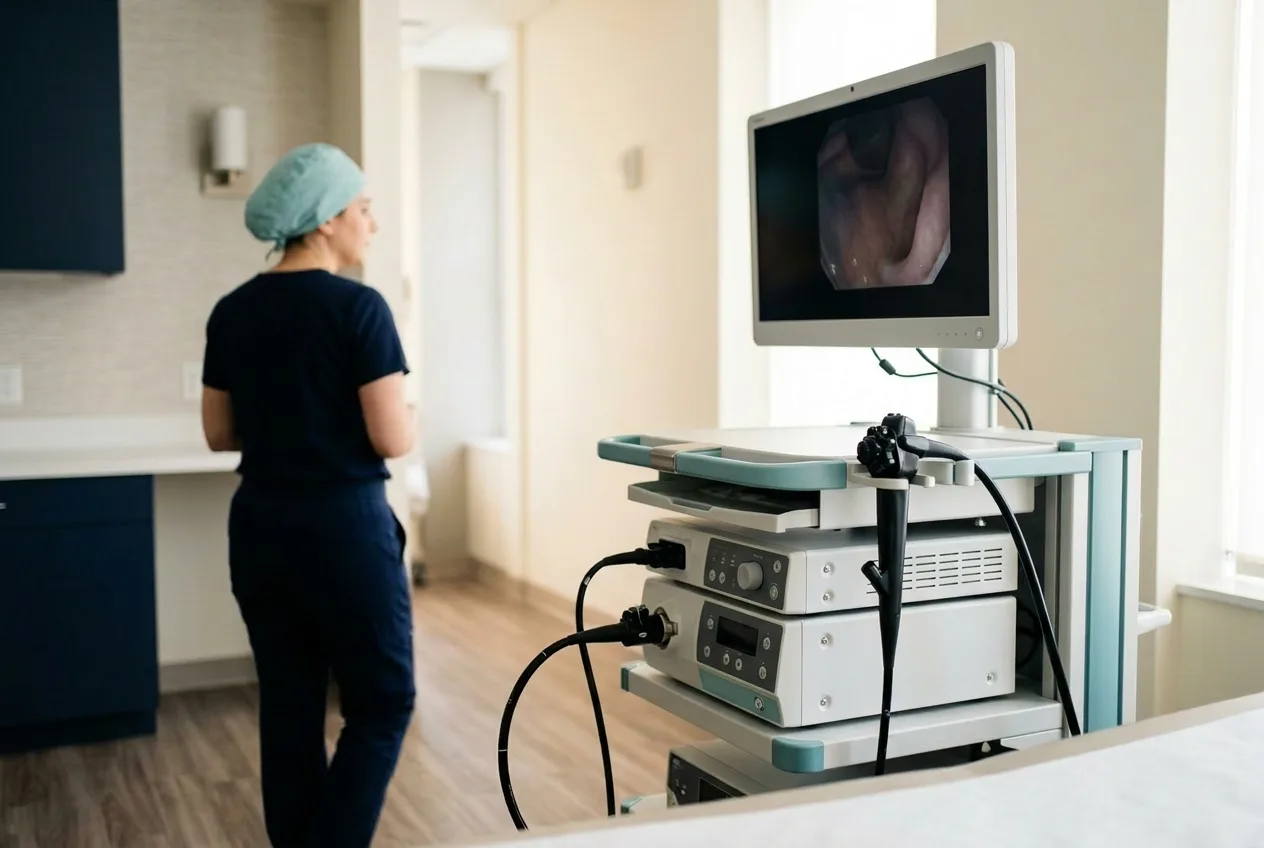
What makes our approach different is the diagnostic capability available right in our Forest Hills, Queens office. We perform upper endoscopy (EGD) in our AAAASF-accredited procedure suite, allowing direct visualization of the esophagus, stomach, and duodenum. We also offer esophageal manometry testing, which measures the pressure and function of the esophageal muscles and the LES. These in-office capabilities mean faster answers and fewer referrals.
Causes of GERD
The causes of GERD are unknown. It is believed that the abnormal relaxation of the lower esophageal sphincter, or LES, which allows the liquid to pass back up to the esophagus, may contribute to the cause of the condition. Other risk factors that may contribute to the cause of GERD may include the following:
- Obesity
- Pregnancy
- Smoking
- Medication
- Scleroderma
- Hiatal hernia

Symptoms of GERD
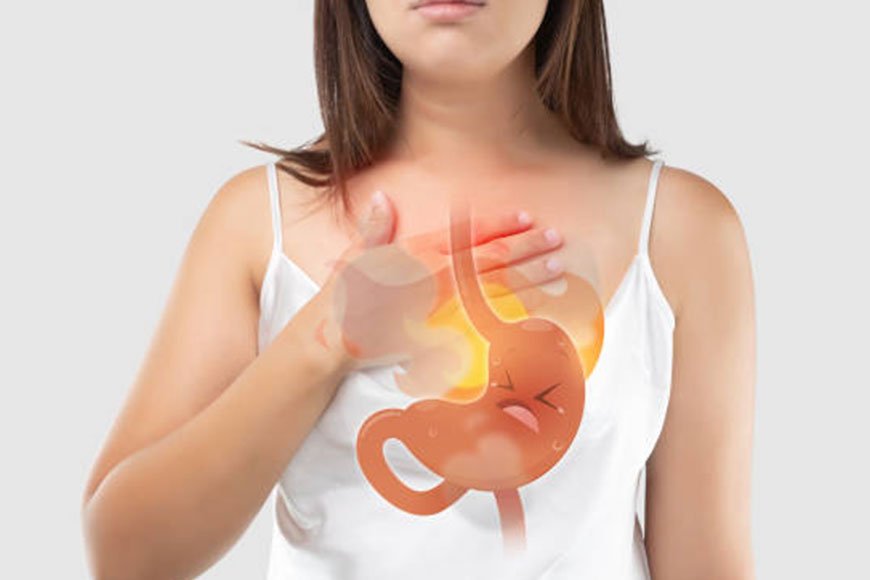
The primary symptom of GERD is heartburn, which occurs as the stomach acid travels through the esophagus and stimulates the nerve fibers. Heartburn is felt as a burning pain in the middle of the chest. It can stretch from the abdomen to the neck and can even extend into the back. Heartburn from acid reflux occurs most often after eating or while lying down, when reflux is more likely to occur. Symptoms can be triggered by spicy foods, caffeine or alcohol. Other more common symptoms of GERD may include the following:
- Regurgitation
- A dry cough
- Nausea
- Trouble swallowing
- Ulcers
- Sore throat
- Burping
A hoarseness or change in the voice may also be a symptom of GERD. At Gastroenterology & Nutrition P.C. in Forest Hills, Queens, our board-certified gastroenterologists, Dr. Yuriy Israel and Dr. Samuel Davidoff, provide expert GERD diagnosis and treatment. With over 19 years of specialized experience, Dr. Davidoff has treated more than 100,000 patients across Queens.
Diagnosis of GERD
There is no clear test for diagnosing GERD. Many doctors will treat heartburn symptoms with acid suppressors and consider effective treatment to be a confirmation of GERD. Heartburn can be a symptom of other conditions, however, so other tests may be conducted to confirm diagnosis. These tests include the following:
Esophageal Manometry
A thin tube is inserted through the mouth an into the esophagus. The tube has a sensor attached to measure the pressure of the muscles when they relax and contract. The purpose of this test is to determine how well the muscles of the esophagus are working and whether there is a problem with swallowing.
Esophagogastroduodenoscopy
During a esophagogastroduodenoscopy, also known as an EGD, a thin tube, with a camera, is inserted and threaded to the esophagus. The lining of the esophagus, stomach and duodenum are visually examined for inflammation, lesions or breaks in the lining. A sample of tissue may be taken for biopsy.
Treatment of GERD
GERD is a chronic condition that cannot be cured. There are numerous treatment options that may reduce the severity and frequency of the symptoms of GERD. They include lifestyle changes, medications, surgery or complementary and alternative therapies to control symptoms
Lifestyle Changes
Lifestyle changes are one of the simplest yet effective treatment methods for GERD. Some of these lifestyle changes include the following:
- Avoiding lying down for 3 hours after a meal
- Wearing clothing that is not snug
- Losing weight
- Keeping the upper body slightly elevated while sleeping to keep reflux down
- Eating small, frequent meals
- Avoiding foods known to promote reflux such as chocolate, peppermint, citrus food, spicy food, coffee and alcohol
- Stopping smoking

Medications
Medications are also helpful in reducing acid production or relieving the symptoms of GERD. These medications include antacids, foaming agents, H2 blockers. proton pump inhibitors and pro-motility drugs. A combination of medications that work to address different symptoms may help to relieve the symptoms of GERD.
Surgery
Surgery may be recommended for those patients that do not respond to changes in lifestyle, medication or other forms of treatment. Nissen fundoplication is the standard treatment of GERD, but it is also known as reflux surgery. This procedure can repair complications of a hiatal hernia, and tighten the LES.
Complementary and Alternative Therapies
Options for alternative therapy include the use of herbal remedies, stress reduction techniques, guided imagery or acupuncture. A doctor will be able to determine which of these therapies will work well with a patient and their symptoms.
It is important to see a doctor for recommended treatment and to prevent any complications of GERD.

When to See a Gastroenterologist for GERD
Over-the-counter antacids are fine for occasional heartburn. But if you’re reaching for them multiple times a week, something more is going on. See a gastroenterologist if:
- Heartburn occurs more than twice weekly
- You have difficulty swallowing or pain when swallowing
- You’re losing weight without trying
- Symptoms persist despite 2 weeks of over-the-counter PPI use
- You’re experiencing chronic cough, hoarseness, or asthma that isn’t responding to typical treatments
Long-standing GERD raises the risk of Barrett’s esophagus, a precancerous condition where the esophageal lining changes in response to chronic acid exposure. Barrett’s requires surveillance endoscopy to monitor for progression.
Don’t treat GERD as a nuisance. Treat it as a condition that deserves proper diagnosis and a real treatment plan. Call (718) 261-0900 to schedule an appointment at our Forest Hills office.
FAQ
Common Questions About GERD
Gastroenterology & Nutrition, P.C. · Forest Hills, Queens
Ready to Schedule Your Appointment?
Same-week consultations. Sunday procedures offered. Most major insurance accepted.