Conditions We Treat \u00b7 Forest Hills, Queens
Colorectal Cancer
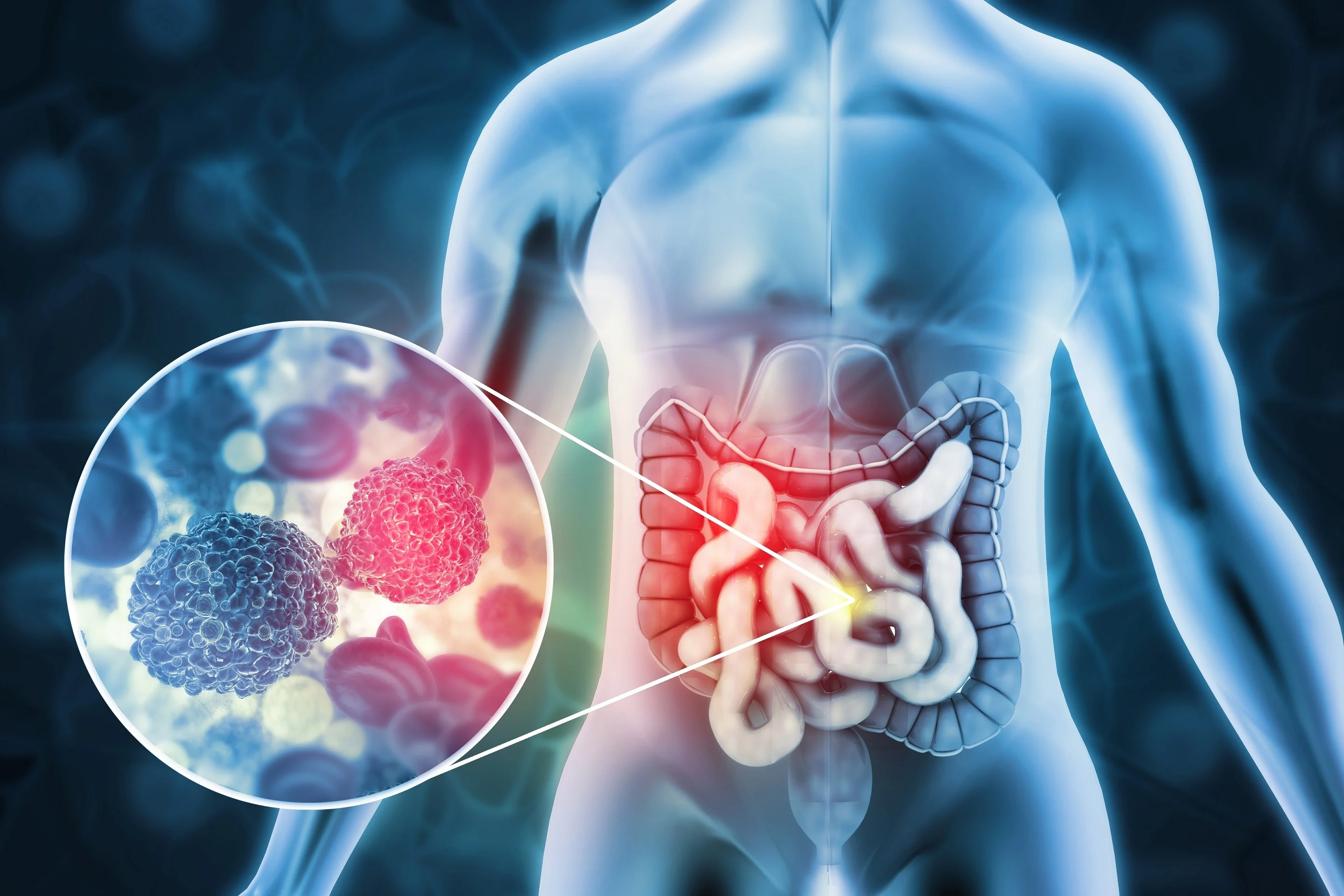
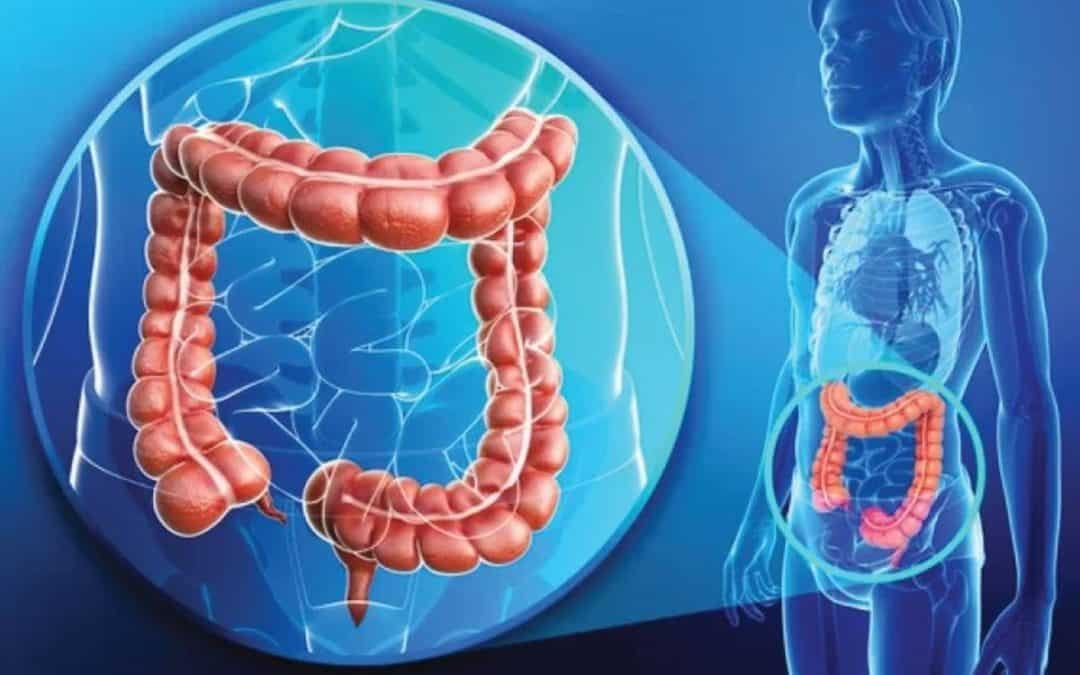
Colorectal cancer, also known as colon cancer, develops in either the large intestine or the rectum. According to the Centers for Disease Control and Prevention (CDC), colorectal cancer is the second leading cause of cancer deaths in the United States.
(718) 261-0900Cancer occurs when healthy cells become altered, growing and dividing in a way that keeps the body from functioning normally. Most cases of colorectal cancer begin as small, benign clusters of cells (polyps) on the lining of the colon or rectum. Certain types of polyps, called adenomas, can become malignant.
Medically reviewed by Dr. Samuel Davidoff, MD, Board-Certified Gastroenterologist & Hepatologist | 18+ Years Experience | Last Updated: April 2026
Dr. Samuel Davidoff, MD: Your Screening Colonoscopy Specialist
Dr. Samuel Davidoff founded Gastroenterology and Nutrition, P.C. in Forest Hills, Queens and has dedicated his career to digestive health and cancer prevention. He’s board-certified in both gastroenterology and hepatology, with over 18 years of clinical experience.
The numbers reflect that commitment. Our practice has performed over 10,000 endoscopic procedures, and Dr. Davidoff personally conducts screening colonoscopies in our AAAASF-accredited on-site suite. AAAASF accreditation means our facility meets the same safety and quality standards as hospital operating rooms, but with the convenience and comfort of an outpatient setting.
Dr. Yuriy Israel, MD, who is board-certified in gastroenterology and internal medicine, also performs colonoscopies at the practice. Both physicians focus on polyp detection and removal during screening, which is the single most effective way to prevent colorectal cancer from developing. We offer same-week scheduling for screening colonoscopies because we know that delays cost lives. If you’re due for a screening, call (718) 261-0900 today.
Risk Factors for Colorectal Cancer
There are several risk factors for colorectal cancer, some of which are under the patient's control. They include the following:
- At Gastroenterology & Nutrition P.C. in Forest Hills, Queens, our board-certified gastroenterologists, Dr. Yuriy Israel and Dr. Samuel Davidoff, specialize in early detection and prevention of colorectal cancer through routine screening colonoscopies. Being age 45 years or older
- Smoking
- Lack of exercise
- Excessive alcohol consumption
- Eating red or processed meats
- Obesity
- Certain hereditary syndromes
- Family history of colorectal cancer
- Patient history of inflammatory bowel disease
- Patient history of adenomas
- Patient history of other cancer
- Type 2 diabetes
Patient Safety Colorectal cancer is one of the most preventable cancers when caught early through routine screening. Regular colonoscopies starting at age 45 can detect precancerous polyps before they develop into cancer.
Symptoms of Colorectal Cancer
While patients with colorectal cancer are often asymptomatic, as the disease progresses, they may experience one or more of the following symptoms:
- A change in bowel habits or a change in consistency of the stool
- Rectal bleeding or blood in the stool
- Persistent abdominal discomfort, such as cramps, gas or pain
- A feeling that the bowel does not empty completely
- Weakness or fatigue
- Unexplained weight loss
- Nausea or vomiting
Diagnosis of Colorectal Cancer
After performing a thorough physical examination and taking a full patient and family history, the doctor may administer other diagnostic tests, which may include the following:
- Blood tests (including a CBC), and tests for liver enzymes and tumor markers
- Digital rectal examination
- Colonoscopy
- Sigmoidoscopy
- MRI
- CT scans
As part of a colonoscopy or sigmoidoscopy, a biopsy may be taken.

Treatment of Colorectal Cancer
Depending on the stage of progression of the colorectal cancer, treatment may include one or more of the following:
- Surgical removal of diseased and immediately adjacent tissue
- Radiation therapy
- Chemotherapy
- Targeted or biological therapy
Prevention of Colorectal Cancer
There are many steps that may be taken to lower the risk of developing colorectal cancer. The gold standard is to have a timely colonoscopy for colorectal cancer screening. Individuals may also decrease their chances of developing this disease by eating a healthy low fat diet, high in fiber and antioxidants, drinking alcohol only in moderation, exercising regularly, maintaining a healthy weight and refraining from smoking. Individuals at high risk for developing colorectal cancer should consult their physician for an early referral for a colonoscopy. Everyone 45 years of age and older should undergo a regularly scheduled colonoscopy, both to screen for cancer and to remove suspicious colorectal polyps at the earliest stage possible.
Screening Guidelines
The American Cancer Society recommends screening starting at age 45 for people at average risk. If you have a family history of colorectal cancer or polyps, you may need to start at 40, or 10 years before the age your relative was diagnosed, whichever is earlier.
Colonoscopy remains the gold standard for colorectal cancer screening. It’s the only test that both detects and removes polyps in the same session. For average-risk patients with a normal result, repeat screening is recommended every 10 years. If polyps are found, the interval shortens to 3 to 5 years depending on the number, size, and type of polyps removed.
Our Forest Hills office performs all screening colonoscopies in an AAAASF-accredited procedure suite, and we offer same-week scheduling to remove barriers to getting screened. Don’t wait for symptoms, call (718) 261-0900 to schedule your screening colonoscopy. Learn more about the colonoscopy procedure.
FAQ
Common Questions About Colorectal Cancer
Gastroenterology & Nutrition, P.C. · Forest Hills, Queens
Ready to Schedule Your Appointment?
Same-week consultations. Sunday procedures offered. Most major insurance accepted.