Procedure Type
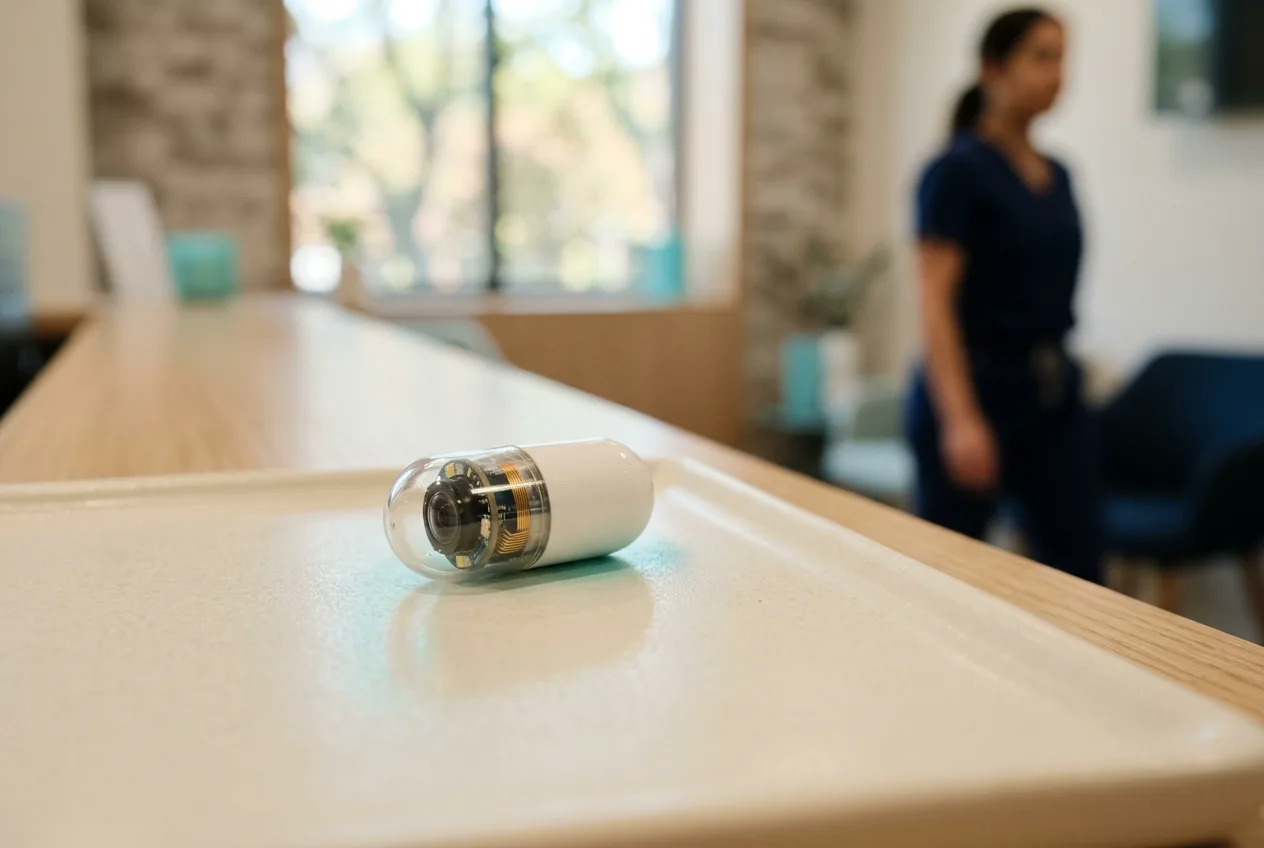
Non-invasive, you swallow a small camera capsule
About the size of a large vitamin pill
Endoscopy & Prep · Forest Hills, Queens
Looking for a safe, advanced way to diagnose gastrointestinal issues? At Gastroenterology & Nutrition, P.C. in Forest Hills, Queens, we offer capsule endoscopy, a pill-sized wireless camera you swallow for a detailed tour of your digestive tract. Led by Dr. Samuel Davidoff, MD, a board-certified gastroenterologist and hepatologist with over 15 years of experience, this innovative camera pill has helped hundreds of patients find answers. If you've been searching for "capsule endoscopy near me," you've come to the right place. Our Forest Hills office is proud to be a provider of capsule endoscopy in Queens.
(718) 261-0900Medically reviewed by Dr. Samuel Davidoff, MD, Board-Certified Gastroenterologist & Hepatologist | 18+ Years Experience | Last Updated: April 2026
Our Forest Hills Capsule Endoscopy Practice at a Glance
Here's what patients should know about capsule endoscopy with us.
Procedure Type
Non-invasive, you swallow a small camera capsule
About the size of a large vitamin pill
Body Region Examined
Small intestine (about 22 feet long)
Beyond reach of upper endoscopy or colonoscopy
Sedation
None
Swallow the capsule and go about your day, no IV, no recovery
Day-Before Prep
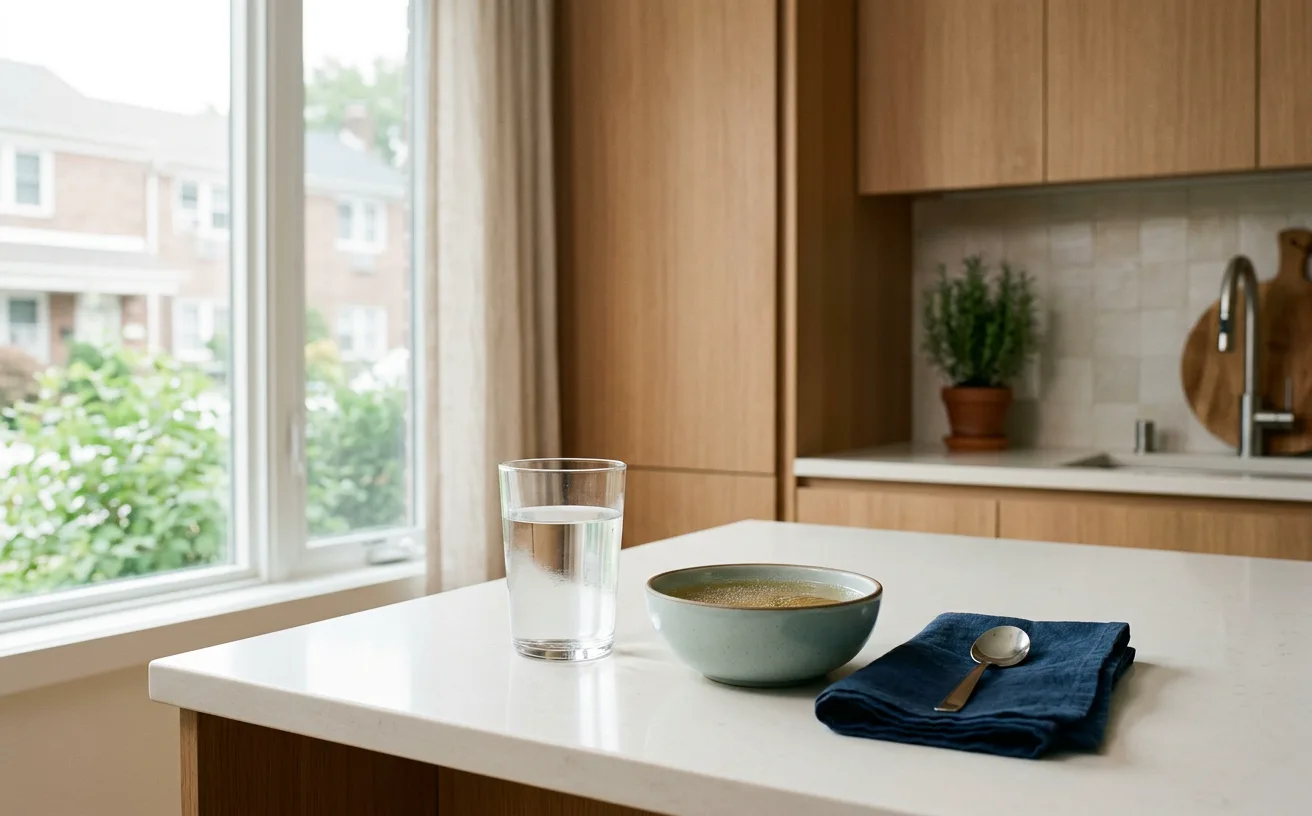
Liquid diet the day before the procedure
Helps clear the small bowel for camera visibility
Morning of Procedure
No eating or drinking
Take 1 pill of metoclopramide 1 hour before to speed bowel transit
Common Indications
Unexplained anemia, GI bleeding source, suspected Crohn's of the small bowel, small-bowel tumors
Used after upper endoscopy and colonoscopy come back clean
Practice Experience
About 1,500 capsule endoscopies over 10 years
Combined Davidoff and Israel volume, 2 to 3 per week
Lead Provider
Dr. Samuel Davidoff, MD
Board-Certified Gastroenterologist and Hepatologist, 18+ years, Founder
Why It Matters
Capsule endoscopy, often called the 'PillCam' is a miniature camera inside a capsule that you can swallow just like a pill. Once swallowed, the capsule travels comfortably through your digestive tract, taking thousands of high-resolution images along the way. These images are transmitted to a small recorder you wear on a belt. The capsule camera lets us see areas of your small intestine that standard endoscopies or colonoscopies might not reach. In essence, it's like having a tiny photographer journey through your intestines, painlessly capturing pictures to help diagnose issues.
This technology is revolutionary because it's minimally invasive (no incisions, no tubes down your throat after the initial swallow) and requires no sedation. You stay awake and can go about most of your normal routine during the procedure. After about 8 hours, the capsule has typically passed through your system. We then collect the recorder and compile the images into a video for analysis. The capsule itself passes naturally with a bowel movement and is disposable. Capsule endoscopy in our Queens clinic is a comfortable outpatient procedure that provides a full-color, 360-degree view of your small intestine, something we've never been able to visualize so easily until now.
The procedure is non-invasive, requires no sedation, and allows you to go about most of your normal activities during the examination day.
Timing
Use the situations below to gauge timing. Always confirm with your gastroenterologist.
A capsule endoscopy can look at the small intestine, where bleeding lesions are sometimes the unrecognized cause of anemia after upper endoscopy and colonoscopy come back clean.
Schedule an evaluationAfter upper endoscopy and colonoscopy are unrevealing, the next step is often capsule endoscopy to evaluate the small intestine for the bleeding source.
Often yes. Capsule endoscopy is the best way to evaluate small-intestine involvement in Crohn's, which is difficult to reach with traditional endoscopes.
No. Each test looks at a different part of the GI tract. Capsule endoscopy sees the small intestine, which the other two procedures cannot reach.
The capsule is about the size of a large vitamin pill. It is safe to swallow, captures images as it travels, and passes naturally without discomfort.
No. You swallow the capsule and go about your day. No sedation, no IV, and no recovery time.
Call us at (718) 261-0900This guidance is for general education and does not replace evaluation by a board-certified gastroenterologist. Recommendations vary by individual history, symptoms, and risk factors. Call (718) 261-0900 to discuss your specific situation.
Some patients searching for "capsule colonoscopy near me" may be thinking of two different procedures. Here's how they compare:
Capsule endoscopy uses a swallowed camera to image the small intestine, the section of the digestive tract between the stomach and the large bowel. This is the procedure Dr. Israel performs at our Forest Hills office, typically for unexplained GI bleeding, suspected Crohn's disease, or small-bowel tumors.
Capsule colonoscopy uses a different capsule device specifically designed to image the colon (large intestine). It is an emerging technology available at select specialty centers, primarily for patients who cannot undergo traditional colonoscopy. Standard colonoscopy remains the gold standard for colon screening and polyp removal, and our practice offers it in our AAAASF-accredited endoscopy suite.
If you've been told you need capsule colonoscopy, call us at 718-261-0900 and we'll help you understand which procedure is right for you.
Indications
Dr. Davidoff may recommend capsule endoscopy for various conditions that affect the small intestine:
Locate small intestinal bleeding sources that traditional endoscopy and colonoscopy miss.
Evaluate the extent of Crohn's disease and monitor treatment effectiveness.
Assess damage to the small intestine in complicated cases or when biopsies are inconclusive.
Detect abnormal growths that other imaging methods might miss.
Investigate persistent abdominal pain that remains unexplained after other tests.
Not everyone is a candidate for capsule endoscopy. The procedure may not be suitable if you have known intestinal strictures, swallowing disorders, or certain implanted medical devices. Dr. Davidoff will evaluate your specific situation to determine if this is the right diagnostic approach for you.
Benefits
Choosing capsule endoscopy offers several key benefits for our patients:
There's no need for surgery or anesthesia, you simply swallow a capsule. Most patients say it's no harder than taking a vitamin pill. No pain, no discomfort during the exam, and no recovery time needed.
The capsule travels through 21 feet of small intestine, uncovering problems that might be missed by traditional upper endoscopy or colonoscopy which visualize only certain portions of the GI tract. This makes it excellent for finding sources of hidden bleeding, small tumors, or areas of inflammation that other tests can't easily see.
The procedure is done right in our Forest Hills office. After you ingest the capsule, you can leave the office and go about your day with a few easy guidelines to follow. There's no need to take a day off work for recovery, you'll be up and about while the capsule does its job. For Queens patients with busy schedules, capsule endoscopy is a low-hassle diagnostic option.
Traditional endoscopies require sedation, which can have side effects and requires someone to accompany you. Capsule endoscopy eliminates sedation, so it's safer for patients who may not tolerate anesthesia and more convenient since you can resume normal activities sooner.
Our gastroenterologist can capture over 50,000 images of your digestive tract from the capsule, ensuring that we perform a thorough examination. If you've had unexplained symptoms like GI bleeding or chronic abdominal pain, this high level of detail increases the chances of pinpointing the cause.
For many, capsule endoscopy is less intimidating than a traditional scope. There's no gag reflex triggered and no hospital-like setting.
The Procedure
You'll arrive at our Forest Hills office having followed a simple liquid diet the day before and fasting the morning of the test. Our nurse will place a small sensor belt around your waist, which holds a wireless recorder. Then you'll swallow the capsule with a sip of water. It is no larger than a multivitamin and slides down easily.
Preparation
You'll hang out in our office for about 15-30 minutes just to ensure the capsule passed successfully into the small intestine. After that, you're free to leave and carry on with normal light activities for the next 8 hours or so. We'll give you a few guidelines: avoid strenuous exercise or heavy lifting during the recording period, and do not go near strong electromagnetic fields (like an MRI machine) while the capsule is in you. You'll also have instructions on when you can resume eating (usually a few hours after ingestion, you can have a light meal unless otherwise directed).
As the capsule travels, it's taking pictures constantly, typically 2 frames per second. You won't notice anything except perhaps the feeling of the recorder on your belt. There is no sensation from the capsule itself. After approximately 8 hours, the capsule's battery expires and it stops filming. By this time, in most cases, it will have moved into your colon. You'll return the recording device to our office at the end of the day. (Don't worry about retrieving the capsule. We don't need it back; you will pass it naturally, usually within 24 hours.)
After the Capsule
Once we have the recorder back, Dr. Davidoff will download all the images and compile a video of your gastrointestinal tract. He will carefully review the footage, which can take a little time given there are tens of thousands of images. We typically have results ready within a few days of your procedure. As soon as we've analyzed the video, we'll schedule a follow-up with you (in person or via phone) to discuss the findings.
If the capsule endoscopy identifies any abnormalities such as areas of bleeding, inflammation, polyps, or signs of conditions like Crohn's disease, we will explain those in detail and outline the next steps. Next steps could include further testing (in some cases a targeted endoscopy or biopsy might be needed based on what we saw) or direct treatment plans for the diagnosed condition. Because capsule endoscopy provides such a comprehensive look, it often gives a definitive answer when other tests have been inconclusive.
You might wonder, "What if the capsule finds something urgent?" The good news is that most findings (like small intestinal ulcers or polyps) can be managed in a timely manner; true emergencies are rare. If we did see a critical issue, our team would contact you promptly. We prioritize your health above all. In the vast majority of cases, patients tolerate the capsule endoscopy extremely well and are just relieved to finally see inside the small intestine. We will also coordinate with your primary care physician or referring doctor (if you were referred) to ensure everyone is on the same page about your care.
Finally, we'll encourage you to continue normal activities after the test. Since there's no sedation, you can even drive yourself home the same day you swallow the capsule. There's no recovery period, another benefit of this procedure. We're here to answer any questions at your follow-up, including reviewing the images with you if you're curious to see what the inside of your intestines looked like!

Patient Reviews
See what our patients are saying about us
[Reviews feed placeholder — the live site loads a third-party Google review widget; individual reviews in the supplied content reference a Trustindex feed. Flagged for client.]
Read moreFAQ
We understand you may have some questions before undergoing capsule endoscopy. Below, we've answered a few common FAQs for our Queens patients:
Insurance Coverage
We understand you may have concerns about your procedure. Here are answers to questions our Forest Hills patients frequently ask.
Not seeing your insurance provider? Call our Forest Hills office at 718-261-0900 to verify coverage.
Check Your CoverageBook Your Visit
If you're in Queens whether Forest Hills, Rego Park, Kew Gardens, or anywhere in the NYC area and need answers for persistent GI symptoms, don't hesitate to reach out. At Gastroenterology & Nutrition, P.C., we combine experience, technology, and a patient-first approach to get you the care you deserve.
Remember, early diagnosis is key. Capsule endoscopy can reveal issues that might go undiagnosed for years with conventional methods. By acting now, you're taking a proactive step toward better digestive health and peace of mind.
Ready to schedule your capsule endoscopy? Our Forest Hills office offers prompt appointments for capsule endoscopy consultations and procedures. Call us at 718-261-0900 to speak with our friendly staff, or request an appointment online through our website contact form. We'll find a convenient slot for you and guide you through any preparation steps.
Call Now to Schedule
718-261-0900Same-week appointments available at our Forest Hills office. Most insurance plans accepted.
Medical Disclaimer: The capsule endoscopy information on this page is intended for general educational purposes and does not replace the individualized instructions given by your physician. Preparation requirements, dietary restrictions, and contraindications vary by patient. Always follow the instructions provided directly by your doctor or our clinical staff. Reach us at (718) 261-0900 with any questions before your procedure.