Conditions We Treat \u00b7 Forest Hills, Queens
Inflammatory Bowel Disease
Inflammatory bowel disease, also known as IBD, is a group of chronic or recurring disorders that cause the digestive tract to become inflamed. The most common forms of IBD include Crohn's disease and ulcerative colitis. IBD is considered to be an autoimmune disease where the body's immune system attacks various parts of the digestive tract.
(718) 261-0900While IBD may occur at any point in time, it usually appears in patients between the ages of 15 and 30 years old. It has been estimated that more than one million people in the United States are affected with IBD.
Medically reviewed by Dr. Yuriy Israel, MD, Board-Certified Gastroenterologist & Internal Medicine | 15+ Years Experience | Last Updated: April 2026
Your IBD Specialists at Gastroenterology and Nutrition, P.C.
Dr. Samuel Davidoff, MD and Dr. Yuriy Israel, MD both hold board certifications in gastroenterology and bring over 30 years of combined clinical experience to IBD care. Dr. Davidoff, the practice founder, is also board-certified in hepatology and has managed IBD patients in Forest Hills, Queens for more than 18 years. Dr. Israel is dual board-certified in gastroenterology and internal medicine, giving him a broad perspective on how IBD interacts with other medical conditions.
What sets this practice apart is the diagnostic toolkit available on-site. Capsule endoscopy allows our doctors to examine the entire length of the small intestine, an area standard colonoscopy can’t reach. This matters for Crohn’s disease, where inflammation often hides in the small bowel. We also have a registered nutritionist on staff who works directly with IBD patients on dietary strategies during flares and in remission. All procedures are performed in our AAAASF-accredited facility right here in Forest Hills.
Risk Factors for IBD
Factors that appear to increase the risk of developing IBD include the following:
- Family history
- Smoking
- Demographics
- Diet
Patient Safety Inflammatory bowel disease requires ongoing management by an experienced gastroenterologist. At Gastroenterology & Nutrition P.C. in Forest Hills, Queens, our board-certified gastroenterologists, Dr. Yuriy Israel and Dr. Samuel Davidoff, provide personalized IBD care with decades of combined clinical experience. Early diagnosis and a personalized treatment plan are essential to controlling symptoms and preventing complications.
Types of IBD
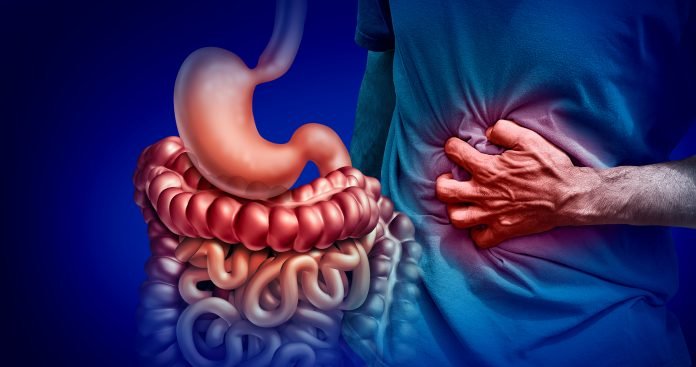
The most common forms of IBD include ulcerative colitis and Crohn's disease. The similarities between the two disorders can sometimes make it difficult to diagnose which form of IBD a patient may have. The main difference is the part of the digestive tract each disorder affects.
Ulcerative Colitis
Ulcerative colitis affects the top layers of the large intestine and the colon. Ulcerative colitis causes the lining of the intestine to become inflamed and develop ulcers. When ulcerative colitis occurs in the rectal area, it can lead to severe diarrhea.
Crohn's Disease
Crohn's disease most often affects the last part of the small intestine and parts of the large intestine, but can occur anywhere along the digestive tract, from the mouth to the anus. Instead of affecting the top layers intestinal walls as seen with ulcerative colitis, Crohn's disease affects all layers of the intestinal wall.
Symptoms of IBD
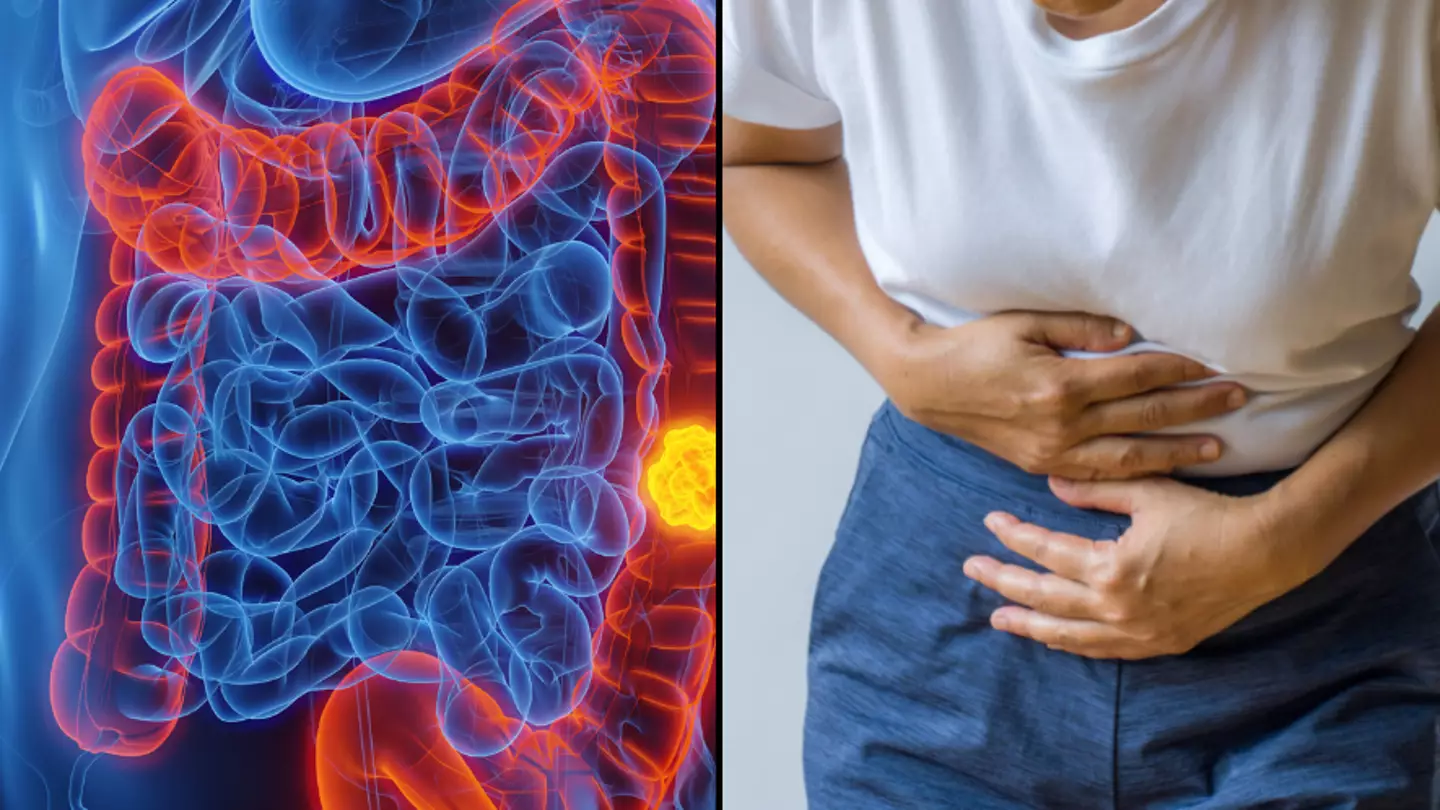
Symptoms of IBD may vary depending on the diagnosed condition. Symptoms that are shared between ulcerative colitis and Crohn's disease may include the following:
- Diarrhea
- Bleeding from the rectum
- Abdominal pain or cramping
- Weight loss
- Constipation
- Loss of appetite
- Joint pain
- Anemia
- Vomiting
Diagnosis of IBD
After conducting a thorough physical and medical examination, the following diagnostic tests may be conducted:
- Blood tests
- Stool analysis
- Colonoscopy
- Endoscopy
- Biopsy

Treatment of IBD
IBD affects each patient differently and treatment options will vary. Many cases of IBD can be managed with anti-inflammatory drugs or immunosuppressive medication that prevents the immune system from attacking the body. Modifications made to diet may help to reduce some of the symptoms of IBD and replace those nutrients that have been lost. Managing stress and resting have been shown to be helpful. Surgery, for more severe cases of IBD, may be required but will depend on the individual condition of the patient.
Our Approach to IBD Care
IBD treatment aims to reduce inflammation, achieve remission, and prevent complications. The approach depends on disease type, severity, and how the patient responds over time.
Medications form the backbone of treatment. Aminosalicylates (5-ASAs) like mesalamine work well for mild to moderate ulcerative colitis. Corticosteroids reduce inflammation quickly during flares but aren’t safe for long-term use. Immunomodulators such as azathioprine or methotrexate suppress the overactive immune response. Biologic therapies, including anti-TNF agents, integrin inhibitors, and IL-23 inhibitors, target specific immune pathways and have changed outcomes for moderate to severe IBD dramatically.
Nutritional support plays a real role in IBD management. Our on-staff nutritionist works with patients to identify trigger foods, address deficiencies in iron, vitamin D, and B12, and develop eating plans that support mucosal healing.
Ongoing monitoring is critical. Regular colonoscopies track mucosal healing, blood work monitors medication effects, and symptom assessments guide treatment adjustments. The goal isn’t just feeling better, it’s confirming that inflammation is actually under control at the tissue level.
For more information about specific conditions, visit our Crohn’s disease and ulcerative colitis pages.
When to See a Gastroenterologist
Don’t wait for symptoms to become severe. Schedule an appointment if you’ve had diarrhea lasting more than four weeks, blood in your stool, unexplained weight loss, or abdominal pain that keeps coming back. These symptoms overlap with many conditions, and that’s exactly why you need a specialist to sort it out.
If you’ve already been diagnosed with IBD and your current treatment isn’t controlling flares, a second opinion matters. Treatment options have expanded significantly, and what didn’t work five years ago may not reflect what’s available now.
Patients with long-standing IBD also need regular colorectal cancer surveillance. The risk increases with disease duration, and screening colonoscopies on schedule can catch precancerous changes early.
Call our Forest Hills office at (718) 261-0900 to schedule a consultation.
FAQ
Common Questions About Inflammatory Bowel Disease
Gastroenterology & Nutrition, P.C. · Forest Hills, Queens
Ready to Schedule Your Appointment?
Same-week consultations. Sunday procedures offered. Most major insurance accepted.