Medically reviewed by Dr. Samuel Davidoff, MD, Board-Certified Gastroenterologist | 18+ Years Experience | Last Updated: May 2026
Quick Answer
No, vomiting after an upper endoscopy is not typical. Mild nausea can occur in the first 1 to 2 hours as sedation wears off, but actual vomiting affects fewer than 0.1% of patients. As Dr. Yuriy Israel at Gastroenterology & Nutrition, P.C. explains, “No, it is not normal to vomit. It’s a very benign procedure, and you should not gag once you wake up.” Most patients are back to a normal diet within a few hours and back to normal activities the next day. Call our Forest Hills office at (718) 261-0900 if vomiting persists past 2 hours, contains blood, or is accompanied by fever above 101°F or severe abdominal pain.
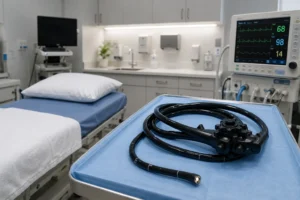
Many people have an upper endoscopy to find the cause of digestive problems like stomach pain, acid reflux, or trouble swallowing. During this procedure, the doctor uses a thin flexible tube with a camera to look inside the upper digestive tract. It is a safe test, but rarely, some patients may feel mild discomfort afterward. If you are feeling nauseous after an upper endoscopy and have any concerns, do not hesitate to contact us. Our team is here to provide answers and help you feel better.
Is an Upper Endoscopy Painful?
No. Upper endoscopy is performed under moderate IV sedation, so most patients feel nothing during the test and have little or no memory of it. The procedure itself is not painful. You may notice a mild sore throat for 24 hours afterward, similar to the feeling after a long day of speaking, but the test is not the kind of thing patients describe as “painful.”
What Sedation You Will Receive
Most US gastroenterology offices use moderate-to-deep IV sedation for upper endoscopy. Common combinations include propofol, midazolam, or fentanyl, administered by an anesthesiologist or certified registered nurse anesthetist. Your throat is also numbed with a local anesthetic spray (often benzocaine or lidocaine). The combination means you do not feel the scope and you do not gag.
What You Will Feel During the Procedure
Nothing. The sedation begins working within seconds of the IV push. The next thing most patients remember is waking up in the recovery room. The procedure itself takes 15 to 20 minutes; you will be in the recovery room for another 30 to 60 minutes while sedation wears off.
What You Will Feel After You Wake Up
Most patients feel groggy for 30 to 60 minutes, then clear-headed but tired for the rest of the day. The most common physical sensations are mild throat soreness (1 to 2 days) and mild bloating from the air used to inflate the stomach for the camera (resolves within a few hours of walking around).
Why Patients Have an Upper Endoscopy
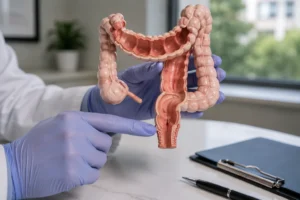
An upper endoscopy is often recommended when patients have symptoms that may indicate issues in the upper digestive tract. This test enables specialists to examine the esophagus, stomach, and duodenum closely.
Upper endoscopy allows specialists to evaluate symptoms that may indicate various conditions, including:
- Inflammation
- Ulcers
- Damage to the lower esophagus from acid reflux (GERD)
- Barrett’s esophagus and hiatal hernia
- Celiac disease and other malabsorption conditions
- Iron-deficiency anemia investigation
- The presence of growths like polyps or tumors
This safe procedure provides valuable insight into the causes of digestive health problems, such as persistent nausea or digestive bleeding.
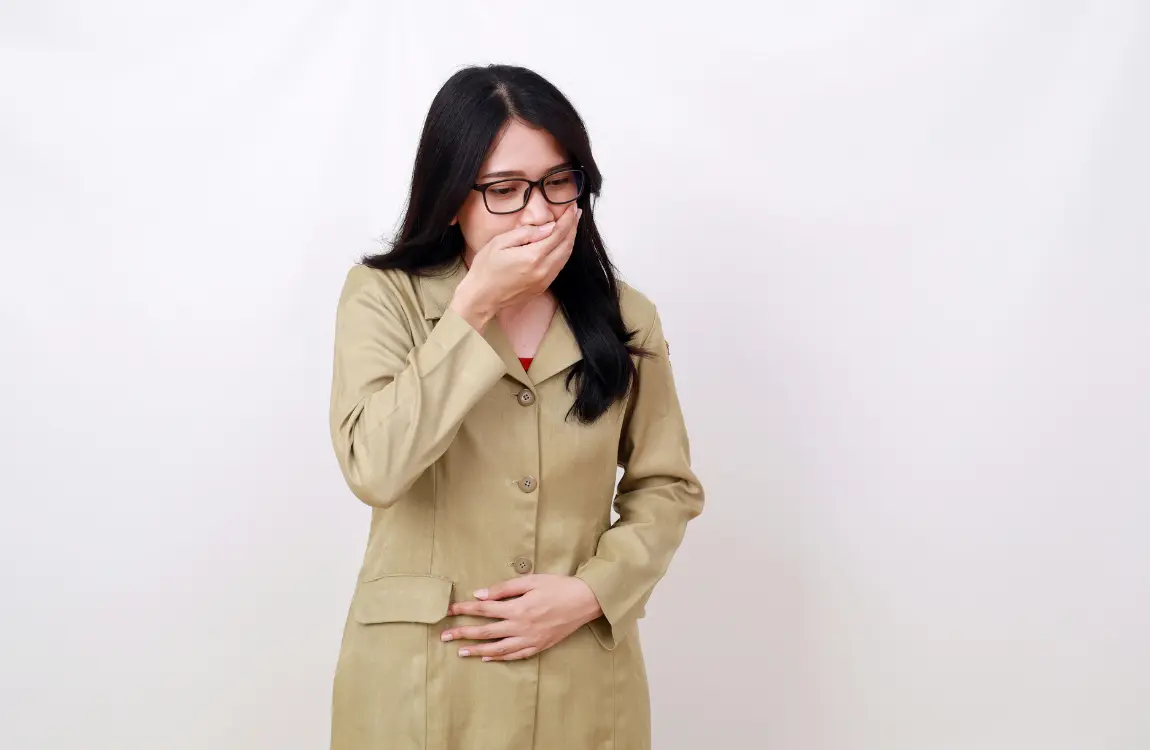
Does Upper Endoscopy Cause Vomiting or Nausea?
Vomiting after an upper endoscopy is unusual. During the procedure, you are given medicine to help you relax or sleep. Most people only feel a bit sleepy after the procedure.
If vomiting does happen, it is usually mild and goes away quickly. However, if you keep vomiting or feel very sick, it could mean there is an irritation or reaction. Vomiting that does not stop could be a sign to call a healthcare provider to make sure everything is okay.
Overall, mild nausea can be normal, but vomiting that lasts is not typical and may need medical attention.
Possible Causes of Nausea or Vomiting After an Upper Endoscopy
Reaction to Sedation
Sedatives are medications used to put the patient to sleep during the procedure. Certain sedatives have been known to cause nausea after the procedure. According to medical studies, some people feel nausea as the medicine wears off.
Irritation of the Digestive Tract
The endoscope can sometimes irritate the throat, esophagus, or stomach lining. This irritation may cause mild nausea or vomiting, which occurs extremely rarely (usually in less than 0.1% of cases). However, it usually goes away quickly.
Fasting Before the Procedure
Patients fast before the endoscopy. This may sometimes contribute to feelings of lightheadedness or mild nausea after sedation.
Air in the Stomach
During the procedure, air is sometimes used to expand the digestive tract for a better view. This extra air can cause bloating and a slight feeling of nausea afterward. Walking gently helps release the air.
Possible Infection
Though very rare, an infection can sometimes develop after an endoscopy. This may cause nausea, fever, or vomiting and should be checked by a healthcare provider if it occurs.
Mild Dehydration
Not drinking water for hours before the procedure can sometimes lead to mild dehydration. Dehydration can make some people feel dizzy or nauseous after the sedation wears off.
Recovery Timeline After an Upper Endoscopy
Recovery follows a predictable arc. Use this timeline as a planning guide.
| Time | What to Expect |
|---|---|
| 0 to 30 minutes | In recovery room. Sedation wearing off. Nurse monitors vital signs. Sips of water as tolerated. |
| 30 minutes to 2 hours | Discharged with a designated driver. Mild grogginess, mild sore throat, possible mild bloating. Mild nausea possible (resolves on its own for most). |
| 2 to 6 hours | No driving, machinery, alcohol, or important decisions. Eat soft foods, drink fluids, rest at home. |
| 6 to 24 hours | Sedation effects fully wear off. Resume normal soft diet. Sore throat may peak. Avoid alcohol for full 24 hours. |
| 24 to 72 hours | Most patients return to normal diet and normal activity. Throat soreness fades. Biopsy patients should rest from heavy exercise. |
| Day 3 and beyond | Symptoms should be gone. Persistent nausea, pain, or bleeding past day 3 warrant a call. |
Tips for Reducing Nausea and Discomfort After an Upper Endoscopy
Drink Small Sips of Water
Start with small sips of water to stay hydrated and ease your stomach. Drinking water slowly can help prevent more nausea.
Rest for the Day
Make sure to rest after your procedure. Avoid activities like driving or heavy lifting. Resting gives your body time to recover from the sedation.
Eat Light Meals
When you feel hungry, eat light foods like crackers, plain toast, or rice. These foods are gentle on the stomach and less likely to cause nausea.
Avoid Spicy and Fatty Foods
Try not to eat spicy, fried, or acidic foods for at least a day. These foods can irritate your stomach and make you feel worse.
Take Deep Breaths
Taking slow, deep breaths can help relax the body and reduce mild nausea. Focus on breathing in through your nose, holding briefly, and then exhaling slowly.
Avoid Caffeine
Caffeine can sometimes make nausea worse, as it is a stimulant. Try to avoid coffee, soda, or energy drinks until you are feeling settled.
When to Call Your Doctor After an Upper Endoscopy
Most day-after symptoms are mild and resolve on their own. These are not. Call our Forest Hills office at (718) 261-0900 or go to the emergency room if you experience any of the following:
- Persistent vomiting that does not stop after 2 hours
- Blood in vomit (bright red or coffee-ground appearance)
- Fever above 101°F (38.3°C)
- Severe or worsening abdominal pain not relieved by passing gas or walking
- Black, tarry stool (sign of upper-GI bleeding) or large amounts of bright-red blood
- Chest pain or shortness of breath
- Difficulty swallowing that is new or worsening
- Neck or throat swelling
- Signs of perforation: sudden severe chest or abdominal pain, fever, rapid heart rate
Perforation is rare (less than 1 in 2,500 procedures) but is a surgical emergency. For more on what to expect in the first day after the procedure, see our companion guide to how you feel the day after an endoscopy. For background on prep and what happens before the test, see our endoscopy prep instructions.
Visit Gastroenterology & Nutrition P.C. in Forest Hills, Queens
If you are worried about getting an upper endoscopy or have questions about your recovery, our team can help. Dr. Samuel Davidoff and the gastroenterology team at Gastroenterology & Nutrition, P.C. have served the Forest Hills community for over 20 years. We explain each part of the procedure clearly so you feel calm, monitor your recovery carefully, and provide tips to reduce any discomfort like nausea or a sore throat.
Address: 108-16 72nd Avenue, 2nd Floor, Forest Hills, NY 11375
Phone: (718) 261-0900
Hours: Sunday 9 AM to 1 PM, Monday/Wednesday/Thursday 9 AM to 5 PM, Tuesday/Friday 9 AM to 4 PM
Neighborhoods we serve: Forest Hills, Rego Park, Kew Gardens, Elmhurst, Jackson Heights, Middle Village, Ridgewood, Astoria, Flushing, Richmond Hill, Glendale, and surrounding Queens communities. Our Forest Hills office offers same-week scheduling, Sunday hours, and Spanish-speaking staff at the front desk.
Frequently Asked Questions
Is an upper endoscopy painful?
No. Upper endoscopy is performed under moderate IV sedation, so most patients feel nothing during the test and have little or no memory of it. You may notice a mild sore throat for 24 hours afterward, but the procedure itself is not painful.
How long does an upper endoscopy take?
The procedure itself takes about 15 to 20 minutes. Including check-in, sedation, and recovery, plan on 2 to 3 hours total at the office. You will spend about 30 to 60 minutes in recovery before going home with your driver.
Is nausea after an endoscopy normal?
Mild, brief nausea in the first 1 to 2 hours as sedation wears off is common and resolves on its own. Actual vomiting is uncommon, affecting fewer than 0.1% of patients. Call your doctor if vomiting continues past 2 hours or contains blood.
Is nausea after an endoscopy biopsy different from a routine endoscopy?
Biopsy itself does not cause additional nausea. The endoscope tool used to take the small tissue sample is the same scope used for the visual exam, so post-procedure nausea risk is identical to a routine upper endoscopy: mild and short-lived.
What if I feel bloated after the endoscopy?
Bloating can happen from the air used during the test. This feeling should go away after a few hours. Walking gently helps release trapped air faster.
Can I drive myself home after an upper endoscopy?
No. Sedation impairs your judgment and reflexes for up to 8 hours. You must arrange a ride home with a responsible adult, and you should not drive, operate machinery, sign legal documents, or drink alcohol for 24 hours.
This article is for informational purposes only and is not a substitute for professional medical advice, diagnosis, or treatment. Always seek the advice of your physician or other qualified health provider with any questions you may have regarding a medical condition.