Medically reviewed by Dr. Samuel Davidoff, MD – Board-Certified Gastroenterologist & Hepatologist | 15+ Years Experience | Last Updated: March 2026
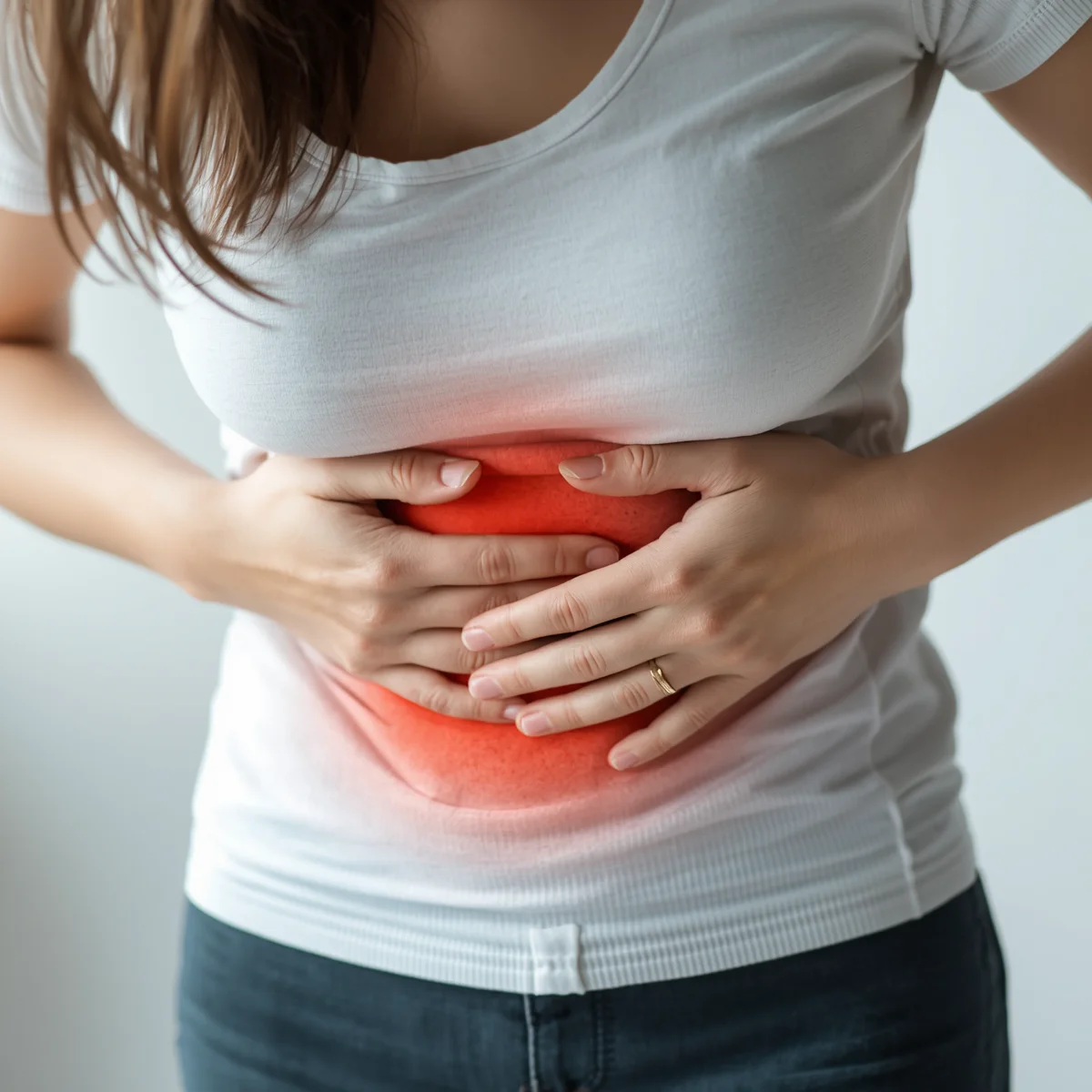
Stomach pain after eating is usually caused by indigestion, food intolerances, eating too quickly, or underlying digestive conditions like GERD or gastritis. For most people, occasional discomfort after a meal is not serious and resolves on its own. However, if your stomach hurts every time you eat or the pain is severe, it could signal a condition that needs medical evaluation.
Understanding why your stomach hurts after meals can help you identify triggers and know when it is time to see a gastroenterologist. Below, we explain the most common causes of post meal stomach pain and the warning signs that should prompt you to seek care.
Stomach Pain After Eating – Key Facts
✓ Most common causes: Eating too fast, fatty foods, food intolerances
✓ Digestive conditions: GERD, gastritis, peptic ulcers, IBS, gastroparesis
✓ Warning signs: Blood in stool, vomiting blood, unintentional weight loss
✓ When to see a doctor: Pain after most meals or lasting 2+ weeks
✓ Call 718-261-0900 for a consultation in Forest Hills, Queens
Common Causes of Stomach Pain After Eating
Several everyday factors can cause your stomach to hurt after you eat. These are typically not serious but can cause significant discomfort.
Eating too fast is one of the most common culprits. When you eat quickly, you swallow air and do not chew food thoroughly, which leads to bloating, gas, and stomach discomfort. Overeating has a similar effect because it stretches the stomach beyond its comfortable capacity.
Fatty, greasy, or spicy foods are harder for the digestive system to break down. These foods stay in the stomach longer and can trigger pain, especially if you are prone to indigestion. Fried foods, rich sauces, and heavily seasoned dishes are frequent offenders.
Food intolerances can also cause stomach pain after eating. Lactose intolerance, gluten sensitivity, and reactions to certain additives can lead to cramping, bloating, gas, and diarrhea shortly after consuming trigger foods. Unlike food allergies, intolerances typically cause digestive symptoms rather than immune reactions.
Carbonated beverages and caffeine can irritate the stomach lining and increase acid production, leading to discomfort after meals.
Digestive Conditions That Cause Stomach Pain After Meals
When stomach pain after eating happens frequently or severely, an underlying digestive condition may be responsible.
Gastroesophageal reflux disease (GERD) occurs when stomach acid flows back into the esophagus. This causes burning pain in the chest and upper abdomen, often worse after eating, especially when lying down. Acidic, spicy, or fatty foods tend to trigger GERD symptoms.
Gastritis is inflammation of the stomach lining. It can cause gnawing or burning pain in the upper abdomen that may improve or worsen after eating, depending on the cause. H. pylori infection is a common cause of gastritis and can be diagnosed through testing.
Peptic ulcers are sores that develop on the lining of the stomach or small intestine. They often cause a burning stomach pain that can flare up after meals, particularly with spicy or acidic foods.
Irritable bowel syndrome (IBS) affects the large intestine and can cause cramping, bloating, and abdominal pain that is often triggered by eating. Certain foods, stress, and hormonal changes can worsen IBS symptoms.
Gastroparesis is a condition where the stomach empties too slowly. This leads to nausea, bloating, and pain after eating because food sits in the stomach longer than normal.
Gallbladder problems, including gallstones, can cause sharp pain in the upper right abdomen after eating fatty meals. The pain may radiate to the back or right shoulder.
“We see patients for reflux, abdominal pain, bloating, constipation, diarrhea, and other common GI ailments. We also evaluate patients for more complex diseases when symptoms do not resolve with standard treatments.”
– Dr. Samuel Davidoff, MD, Board-Certified Gastroenterologist at Gastroenterology and Nutrition, P.C.
Warning Signs You Should Not Ignore
Most stomach pain after eating is not an emergency. However, certain symptoms indicate you should seek medical attention promptly.
Contact a Gastroenterologist If You Experience:
- Blood in your stool or black, tarry stools
- Vomiting blood or material that looks like coffee grounds
- Unintentional weight loss
- Severe or worsening abdominal pain
- Difficulty swallowing or feeling like food is stuck in your chest
- Persistent symptoms lasting more than two weeks
- Fever along with stomach pain
- Pain that wakes you up at night
These symptoms can indicate conditions such as ulcers, bleeding in the digestive tract, or other serious issues that require diagnosis and treatment.
How a Gastroenterologist Diagnoses Stomach Pain After Eating
If your stomach pain is persistent, recurring, or accompanied by warning signs, a gastroenterologist can help identify the cause.
“We tailor our approach to each and every patient. We start with obtaining a thorough history and doing a targeted physical exam. Depending on the patient’s symptoms and history, we then can proceed with blood work, stool tests, imaging studies, as well as endoscopic evaluation.”
An upper endoscopy (also called an EGD) allows the doctor to examine the esophagus, stomach, and upper small intestine directly. This procedure can detect ulcers, gastritis, H. pylori infection, GERD damage, and other conditions. Biopsies can be taken during the procedure if needed.
Dr. Davidoff notes that “persistent upper abdominal pain, especially if it is worse after meals” is one of the symptoms that may prompt a recommendation for upper endoscopy.
Other diagnostic tools may include blood tests to check for infection or inflammation, stool tests, breath tests for H. pylori or food intolerances, and imaging studies like ultrasound or CT scan for gallbladder or pancreatic issues.
How to Relieve Stomach Pain After Eating
For occasional, mild stomach pain after meals, lifestyle adjustments can often provide relief.
Eat smaller, more frequent meals instead of large portions. This reduces the burden on your digestive system and prevents overeating.
Slow down when you eat. Chewing thoroughly and taking your time helps with digestion and reduces the amount of air you swallow.
Keep a food diary to identify trigger foods. Common culprits include dairy, gluten, fried foods, spicy dishes, caffeine, and carbonated drinks.
Avoid lying down immediately after eating. Wait at least two to three hours before reclining to reduce the risk of acid reflux.
Stay hydrated throughout the day, but avoid drinking large amounts of fluid during meals, which can contribute to bloating.
Limit alcohol and smoking, both of which can irritate the stomach lining and worsen digestive symptoms.
Over the counter antacids may provide temporary relief for acid related discomfort. However, if you find yourself relying on these medications regularly, it is important to consult a gastroenterologist to address the underlying cause.
When to See a Gastroenterologist for Stomach Pain
Schedule a Consultation If:
✓ Your stomach hurts after eating most meals
✓ Pain has persisted for more than two weeks
✓ Over the counter remedies are not helping
✓ You have a family history of digestive diseases or colon cancer
✓ You are experiencing any of the warning signs listed above
“In any condition, including gastrointestinal conditions, early detection is key and can help avoid bad outcomes and invasive or painful procedures.”
Getting evaluated sooner rather than later can lead to faster relief and better outcomes. A gastroenterologist can determine whether your symptoms are caused by a manageable condition like GERD or IBS, or whether further testing is needed to rule out more serious issues.
Stomach Pain Treatment at Gastroenterology and Nutrition, P.C.
At Gastroenterology and Nutrition, P.C. in Forest Hills, Queens, Dr. Samuel Davidoff, MD, and Dr. Yuriy Israel, MD, have been helping patients find relief from digestive issues since 2008. Both physicians are board certified gastroenterologists with extensive experience diagnosing and treating conditions that cause stomach pain after eating.
The practice offers comprehensive diagnostic services including upper endoscopy, colonoscopy, and capsule endoscopy, all performed on site in a state of the art, AAAASF certified facility. With over 10,000 procedures performed, patients receive care from experienced specialists who prioritize safety and comfort.
What sets the practice apart is a patient centered approach that focuses on finding root causes rather than just treating symptoms. The team takes time to listen to your concerns, explain your diagnosis in clear terms, and develop a personalized treatment plan.
The office is conveniently located at 108-16 72nd Ave in Forest Hills, with appointments available Monday through Friday and Sunday mornings to accommodate busy schedules. The practice accepts most major insurance plans, including Medicare.
Frequently Asked Questions
Why does my stomach hurt every time I eat?
If your stomach hurts after every meal, it may indicate an underlying condition such as GERD, gastritis, a peptic ulcer, or a food intolerance. Frequent post meal pain should be evaluated by a gastroenterologist to determine the cause and appropriate treatment.
Can anxiety cause stomach pain after eating?
Yes, anxiety and stress can affect digestion and cause stomach pain, nausea, and changes in bowel habits. The gut and brain are closely connected, and emotional stress can trigger or worsen digestive symptoms. If stress related stomach issues are affecting your quality of life, discuss this with your doctor.
What foods are easiest on the stomach?
Foods that are generally gentle on the stomach include lean proteins like chicken and fish, cooked vegetables, rice, bananas, oatmeal, and non citrus fruits. Avoiding fried, fatty, spicy, and highly acidic foods can help reduce stomach irritation.
When should I worry about stomach pain after eating?
You should seek medical attention if your stomach pain is severe, persistent, or accompanied by warning signs such as blood in your stool, vomiting blood, unexplained weight loss, difficulty swallowing, or fever. Pain that does not improve after two weeks also warrants evaluation.
Medical Disclaimer: This blog post is for informational purposes only and is not a substitute for professional medical advice, diagnosis, or treatment. Always consult with a qualified healthcare provider about any digestive symptoms or concerns. To schedule a consultation, call 718-261-0900.