Serving Kew Gardens, Queens
Gastroenterologist Serving Kew Gardens, Queens
Colonoscopy screening, GERD treatment, and capsule endoscopy – 5 minutes from Kew Gardens via Queens Blvd.
- Serving Queens since 2008
- 108-16 72nd Ave, Forest Hills
- 718-261-0900
Gastroenterologist Serving Kew Gardens, Queens
Gastroenterology & Nutrition, P.C. has welcomed patients from Kew Gardens and the surrounding neighborhoods since 2008. Our Forest Hills office is one stop west on the E/F line from Kew Gardens-Union Turnpike, putting board-certified gastroenterologists, on-site endoscopy, and same-week scheduling within a few minutes of your door. Dr. Samuel Davidoff, MD, Dr. Yuriy Israel, MD, and Emanuel Yaakobov, FNP provide personalized digestive care for patients of all ages.
Quick Facts
subway stop 108-16 72nd Ave, Queens (Forest Hills), NY 11375
Mon/Wed/Thu 9-5 PM
Tue/Fri 9-4 PM
Sunday 9-1 PM
718-261-0900
Same-week appointments
Gastroenterology Services for Kew Gardens, Queens
Board-certified gastroenterologists providing comprehensive digestive care.

Gastroesophageal Reflux Disease (GERD)
For patients with chronic heartburn or acid reflux, our team evaluates and treats gastroesophageal reflux disease. Dr. Israel explains that when heartburn does not respond to various types of antacids, an upper endoscopy is recommended to evaluate the esophagus for conditions like Barrett's esophagus, reflux esophagitis, or strictures. Treatment is tailored to each patient based on their symptoms and endoscopic findings.
Left untreated, chronic acid reflux can lead to complications including esophageal strictures, which narrow the esophagus and make swallowing difficult, and Barrett's esophagus, a precancerous change in the esophageal lining that requires ongoing surveillance. Our team develops individualized treatment plans that may include lifestyle modifications - such as avoiding trigger foods, not eating within three hours of bedtime, and elevating the head of the bed - alongside medication management. For patients on long-term acid-suppressing medications, periodic endoscopic evaluation helps monitor for any changes in the esophagus.
Capsule Endoscopy
Capsule endoscopy allows our doctors to evaluate the small intestine - all 22 feet of it - which cannot be seen with a standard upper endoscope or colonoscope. The procedure requires no sedation; you swallow a pill-sized camera in our office and go about your day. Between Dr. Davidoff and Dr. Israel, our practice has performed approximately 1,500 capsule endoscopies over the past decade. We typically use this procedure to evaluate unexplained anemia or suspected Crohn's disease of the small intestine, often in conjunction with CT or MR enterography.
On the day of your capsule endoscopy, you arrive at our office, swallow the capsule with water, and go about your normal day while the camera captures thousands of images over approximately eight hours. You return the recording device to our office at the end of the day. Dr. Davidoff and Dr. Israel review the images to identify any areas of inflammation, bleeding, polyps, or other abnormalities in the small bowel. Results are typically discussed at a follow-up appointment within one to two weeks.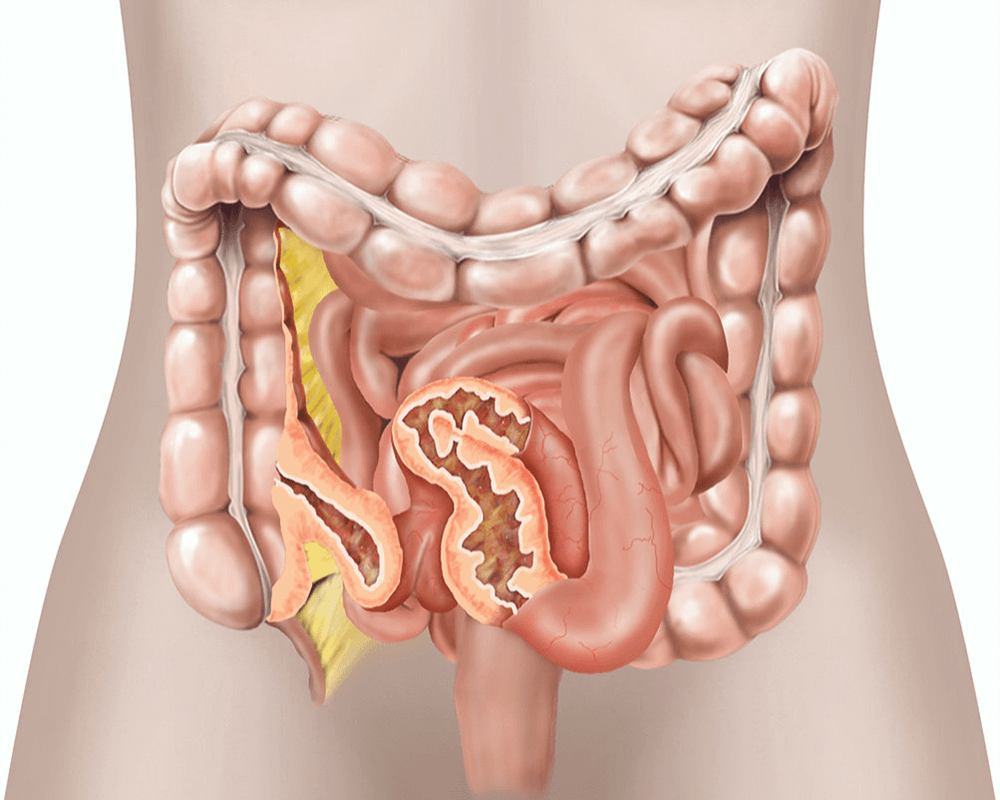
Crohn's Disease
Crohn's disease is an autoimmune condition where the immune system attacks the lining of the digestive tract. Diagnosis involves a combination of blood work, stool tests, colonoscopy, capsule endoscopy, and MRI. Dr. Israel notes that treatment is highly individualized - different medications work for different patients, and finding the right approach requires careful evaluation of each person's symptoms and response. During flare-ups, we provide dietary guidance including avoiding raw proteins and processed foods.
Managing Crohn's disease requires regular monitoring and treatment adjustments over time. Our gastroenterologists use a combination of bloodwork, stool markers like calprotectin, and periodic endoscopy to track disease activity and response to treatment. Medication options may include biologics, immunomodulators, or newer targeted therapies - the goal is finding the right combination to maintain remission and prevent flare-ups while minimizing side effects.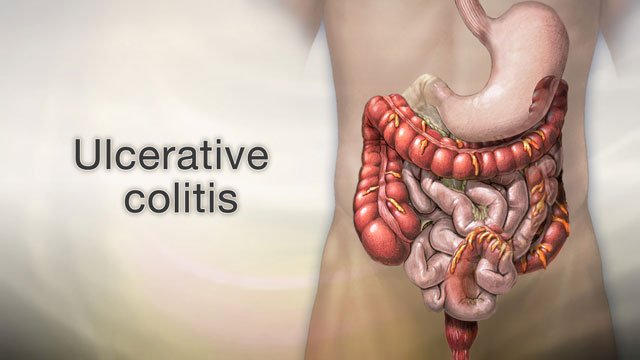
Ulcerative Colitis
Our gastroenterologists also manage ulcerative colitis, a condition marked by bloody diarrhea, abdominal pain, and urgency. New biologic treatments and small molecules targeting inflammatory pathways have expanded treatment options significantly. Because ulcerative colitis can increase the risk of colon cancer, our team monitors patients with regular colonoscopic surveillance.
Because ulcerative colitis affects only the colon and rectum, colonoscopy with biopsies is central to both diagnosis and monitoring. Patients with UC for eight years or more typically begin surveillance colonoscopies every one to two years to screen for dysplasia. Treatment has advanced significantly, and our gastroenterologists work with each patient to find the right approach - whether that involves traditional therapies, newer biologics, or a combination tailored to their specific disease pattern and response.Getting Here from Kew Gardens
By Subway
Take the E or F train from Kew Gardens-Union Turnpike station one stop to Forest Hills-71st Ave. Walk south from the station to 72nd Avenue, then east to our office at 108-16 72nd Ave. Total travel time is about 8-10 minutes.
By LIRR
Kew Gardens has its own LIRR station on the Main Line. You can take the LIRR one stop to Forest Hills station and walk south to our office. This is a convenient option if you are coming from further out on Long Island.
By Bus
The Q10 bus connects Kew Gardens to Forest Hills along Metropolitan Avenue. The Q37 also runs through Kew Gardens and connects to the Forest Hills area.
By Car
From Kew Gardens, take Queens Boulevard northwest or Lefferts Boulevard north to reach our office. The drive is about 5-7 minutes. Street parking is available on 72nd Avenue and side streets, and a parking garage is located one block from our office.
Board-Certified Gastroenterologists
Over 40 combined years of clinical experience in gastroenterology and hepatology.
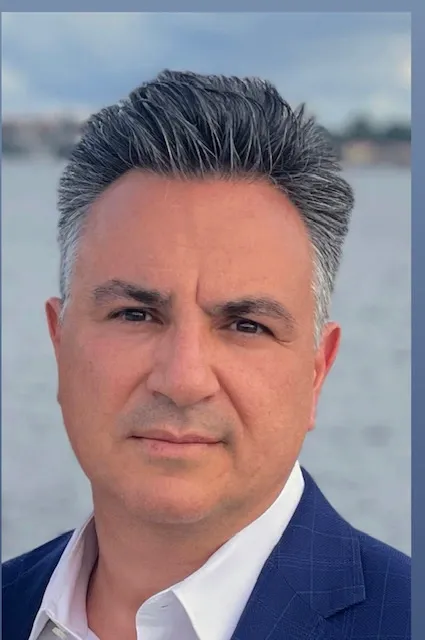
Dr. Samuel Davidoff, MD
Dr. Davidoff has led Gastroenterology & Nutrition, P.C. since founding the practice in 2008. He is board-certified in gastroenterology and hepatology by the American Board of Internal Medicine. After earning a biology degree from Queens College (where he received the Donald Lancefield Prize), he completed his medical degree at SUNY Stony Brook School of Medicine and his gastroenterology fellowship at Long Island Jewish Medical Center. Dr. Davidoff has authored research publications in gastroenterology and hepatology and has served as a speaker for major pharmaceutical companies. He speaks English and Russian.
- ABIM Board Certified
- ACG Member
- EN / RU
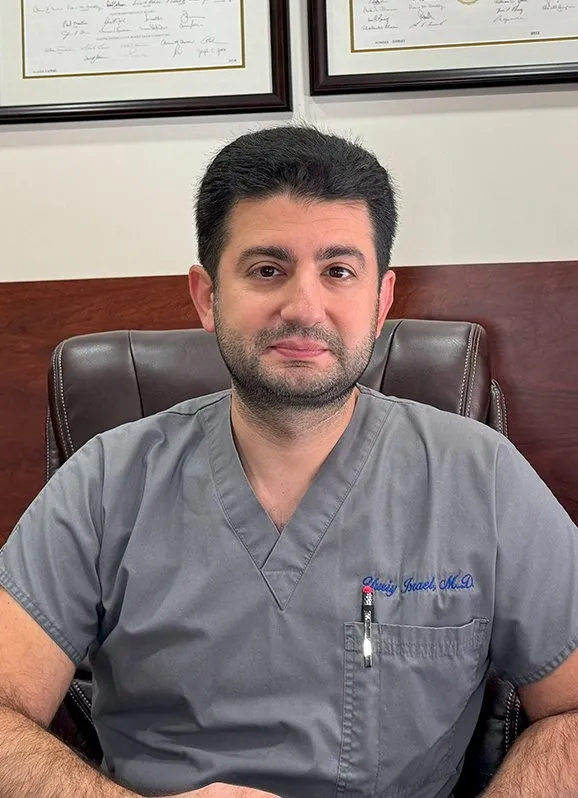
Dr. Yuriy Israel, MD
Dr. Israel has been with the practice since 2016, specializing in gastroenterology and hepatology. He earned his biology degree summa cum laude from Queens College on the Jonas E. Salk Scholarship and his medical degree from the Icahn School of Medicine at Mount Sinai. He completed his residency at Beth Israel Medical Center, where he was selected as Chief Resident, and his fellowship in gastroenterology and hepatology at Westchester Medical Center (New York Medical College). Dr. Israel is board-certified in internal medicine and gastroenterology, and belongs to both the American College of Gastroenterology and the American Gastroenterological Association. He speaks English, Russian, and Spanish.
- ABIM Board Certified
- ACG + AGA
- EN / RU / ES
Emanuel Yaakobov, FNP
Emanuel Yaakobov is a licensed family nurse practitioner who works alongside our gastroenterologists, supporting patient consultations, follow-up care, and treatment coordination. He speaks English and Russian.
- Licensed FNP
- EN / RU
Book Your Appointment
At your first visit, your gastroenterologist obtains a thorough history and performs a targeted physical exam. From there, we tailor our diagnostic approach – which may include blood work, stool tests, imaging, or endoscopy – based on what is going on with you specifically. We offer same-week consultations and can schedule procedures soon after your initial visit. We accept most commercial insurance plans, Medicare, and Medicaid.
1
Thorough medical history and targeted physical exam
2
Blood work, stool tests, or imaging as needed
3
Endoscopic evaluation if indicated
4
Personalized treatment plan and follow-up schedule
Gastroenterology & Nutrition, P.C.
108-16 72nd Ave, Queens (Forest Hills),
NY 11375
Mon/Wed/Thu: 9-5 PM
Tue/Fri: 9-4 PM
Sun: 9-1 PM | Sat: Closed
718-261-0900
- CareCredit
- Cherry Financing
- FSA / HSA
- All Major Cards
Frequently Asked Questions
Q:
How do I get to your office from Kew Gardens?
A:
The fastest route is the E or F train from Kew Gardens-Union Turnpike to Forest Hills-71st Ave, just one stop. By car, take Queens Boulevard or Lefferts Boulevard – the drive is about 5-7 minutes.
Q:
Does capsule endoscopy require sedation?
A:
No. Capsule endoscopy does not require sedation. You come into our office, swallow the capsule, and then go about your day while the camera captures images of your small intestine.
Q:
Do your doctors speak languages other than English?
A:
Yes. Dr. Israel speaks English, Russian, and Spanish. Dr. Davidoff speaks English and Russian. Emanuel Yaakobov, our FNP, also speaks English and Russian.
Q:
Can I get a same-week appointment?
A:
Yes, consultation appointments are typically available the same week you call. Procedures like colonoscopy and endoscopy can be scheduled soon after your initial visit.
Q:
What is the difference between Crohn's disease and ulcerative colitis?
A:
Both are forms of inflammatory bowel disease, but they affect different parts of the digestive tract. Ulcerative colitis is limited to the colon and rectum, while Crohn’s disease can affect any part of the GI tract from mouth to anus, including the small intestine. Diagnosis involves colonoscopy with biopsies, blood work, and sometimes capsule endoscopy to evaluate the small bowel.
Q:
How long does a capsule endoscopy take?
A:
The office visit takes about 15-20 minutes to swallow the capsule and have the recording device set up. The capsule then captures images for approximately eight hours as it passes through your small intestine. You return the device to our office at the end of the day and can go about your normal activities throughout.